
Most Conures are fed a bowl of seed, and a Conure is very good at eating only the sunflower out of it. A better diet is built around a suitable pellet and vegetables, with seed, soaked blends, nuts and treats in measured amounts around them.
None of that has to happen overnight. Start with what your bird already recognises and bring the rest in gradually.
This guide covers Green Cheek, Sun, Jenday and Nanday Conures. A bird with weight, breeding or medical concerns may need something different, and that is a conversation for your avian vet.
Jump to Seed, Pellets, Fresh Food, Soaked and Sprouted Seed, Nuts, Treats, Weight or Common Questions.
Which Seed Blend Suits a Conure?
Seed still has a place in a Conure's diet, especially for a bird that already knows it as food, but the blend matters. A plain mix built around a few favourite seeds makes picking easy. A varied blend gives your bird different seeds, grains, herbs, fruit and vegetable pieces to work through, so less of the bowl ends up on the floor.
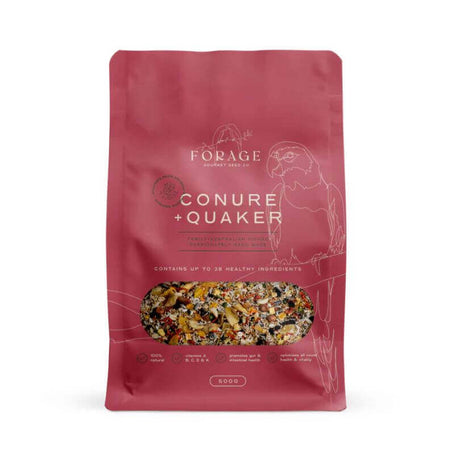
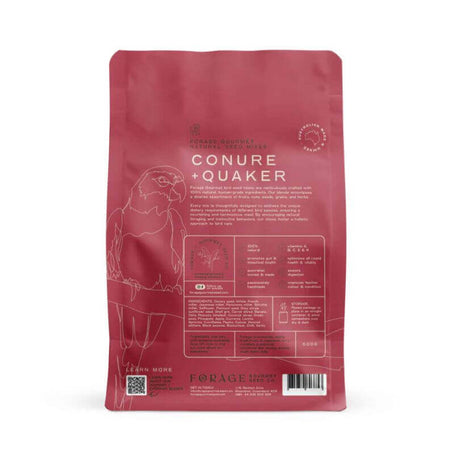
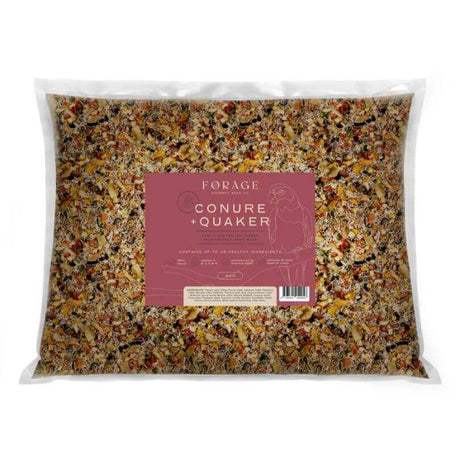
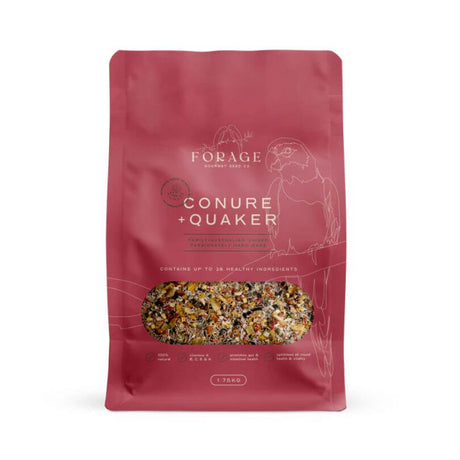
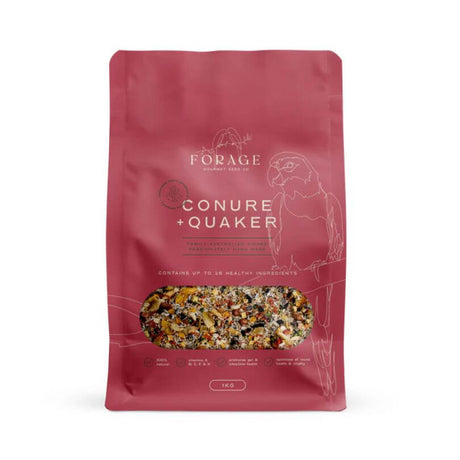
The Forage Gourmet Conure/Quaker Blend is hand blended from 28 human grade seeds, herbs, vegetables, fruits and nuts. Alongside the millets, canary seed, safflower and sunflower there is banana, pineapple, apricot, apple, carrot, split peas, lentils, pepita, almond, quinoa, buckwheat and chilli, giving a Conure more textures, flavours and pieces to investigate. It is made for all small and large Conure species and comes in 500g, 1kg, 1.75kg and 5kg bags.
"Our birds love the variety in this seed mix."
Tania B., verified buyer, Forage Gourmet Conure/Quaker Blend. Bought for an Indian Ringneck and a Conure.
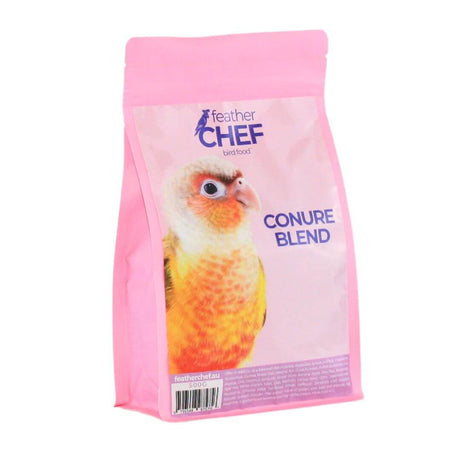
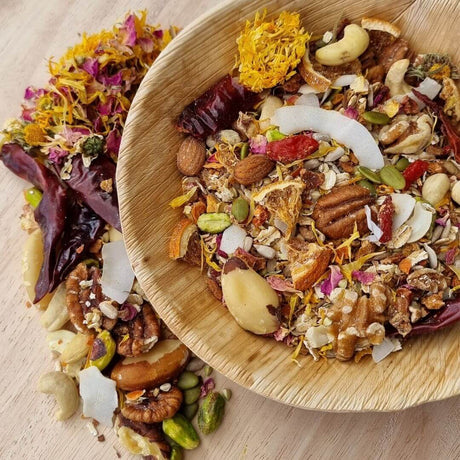
The Feather Chef Conure Blend is built differently. The base is millet, buckwheat, quinoa, rye and sesame, with fruit, nuts, spices and dried pumpkin through it, and the whole thing is finished with dandelion leaf and vegetable powders such as beetroot, broccoli and spinach. It is made for small and large Conure species, it is free from fillers and shell grit, and it comes in 500g, 2kg and 4.5kg bags.
The Raw for Birds South American Small Parrot Seed Blend is the third option, and the point of difference is that pellets are mixed straight through it rather than left as something separate to offer. It is a low sunflower blend of millets, canary seed, oats and safflower with buckwheat, quinoa, chia, dried fruit, chilli, walnuts, Brazil nuts and almonds in the shell, plus chamomile, rose, calendula and parsley. It is made for Conures, Caiques and small Macaw species and comes in 500g, 2kg and 4.5kg bags.
"Beautiful looking food. My Conure loves it."
Sara B., verified buyer, Raw for Birds South American Small Parrot Seed Blend. Bought for a Conure.
The three take different approaches. Forage has the longest ingredient list with plenty of visible fruit, vegetables, nuts and chunky pieces. Feather Chef combines seeds and less common grains with fruit, nuts, spices and powdered greens. Raw for Birds keeps the sunflower low, adds flowers and nuts in the shell, and already has pellets in it. Read the ingredient lists side by side and pick the one that suits your bird's size, its preferences and what else is already in the diet. Plenty of owners swap between them.
"They enjoy it very much. Lots of interesting variety."
Janine M., verified buyer, four stars, Forage Gourmet Conure/Quaker Blend. Bought for Green Cheek Conures.

Forage Gourmet Conure/Quaker Blend |

Feather Chef Conure Blend |

Raw for Birds South American Small Parrot |
Forage Gourmet Conure/Quaker Blend, Feather Chef Conure Blend and Raw for Birds South American Small Parrot Seed Blend.
Why Does My Conure Only Eat the Sunflower?
Sunflower is high in fat and many Conures will pick it out before eating anything else. All three blends above include some sunflower, and the Raw for Birds one keeps it deliberately low, but none of them is built around it.
Measure what you offer, check the bowl for empty husks and watch what your bird actually eats. A bowl full of husks can look untouched when it is empty, so blow across the top before deciding your bird is not hungry, and do not cut food back sharply to force the issue. If you are moving a bird off a seed heavy diet, bring new foods in gradually and keep an eye on weight and droppings while you do. If the bowl itself ends up on the floor most days, our article on why birds tip their food bowl covers the usual causes.
Can I Bulk Out a Gourmet Blend?
Yes, and it is a sensible way to feed more than one bird or a Conure that goes through a lot of seed. The Basic Small Parrot Seed Blend is a plain Australian seed mix suitable for Conures, sold in 1kg packets either as basic seed or with Parrot Deli maintenance pellets already blended through. Mix it through a gourmet blend and you keep the interesting pieces in the bowl without paying gourmet money for the millet underneath.
Should Conures Eat Pellets?
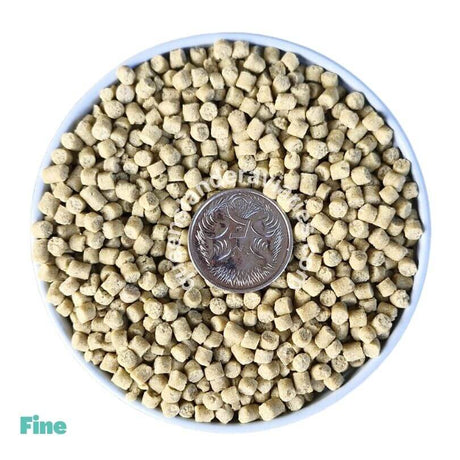
A suitable formulated pellet is worth introducing because each piece is made to provide the same nutrients. Unlike a loose seed blend, your Conure cannot pick out only the sunflower, nuts or other favourite ingredients.
Pellets do not need to go in all at once. Many seed fed Conures take a while to recognise them as food, and pulling the familiar diet away suddenly can leave a bird eating far less than it looks like it is. Start with a small amount mixed through the seed, keep offering it, and watch weight and droppings while the change is happening.
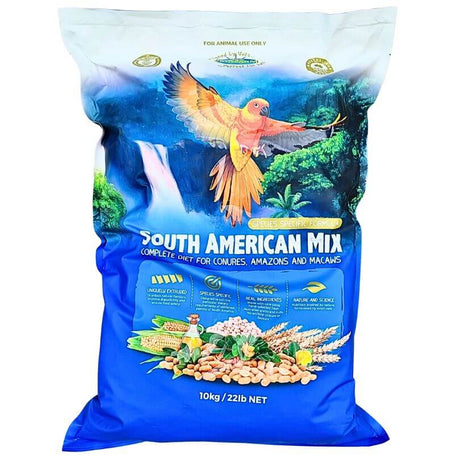
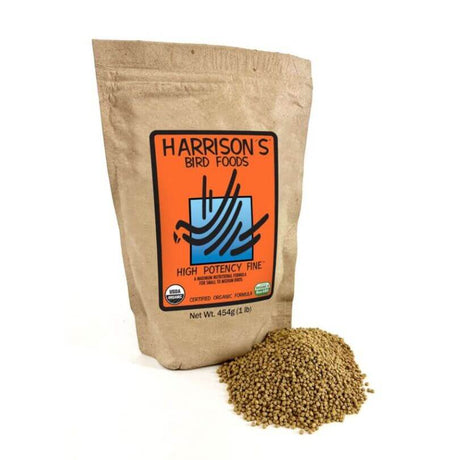
Tropican Lifetime Formula 2mm Granules is a small extruded pellet made from grains, nuts and added nutrients, and the 2mm size is suitable for Cockatiels, Conures, Lovebirds, Parrotlets and Caiques. It comes in 820g, 1.8kg, 3.63kg and 11.34kg bags, so you can buy a small one to find out whether your bird will eat it before committing to a big bag.
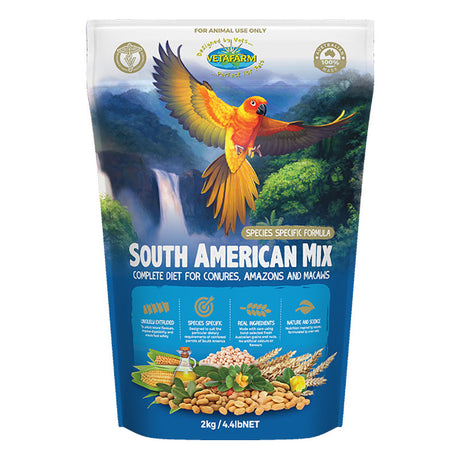
The Vetafarm South American Pellet is a nut flavoured pellet formulated for South American parrots, which is what a Conure is. Its own listing says it was formulated by avian vets and is used in store.

Tropican Lifetime Formula 2mm |

Vetafarm South American Pellet |
Tropican Lifetime Formula 2mm and Vetafarm South American Pellet.
Some Conures accept pellets quickly while others need a much slower introduction. Do not withhold familiar food to force the change. Our article on whether your bird will actually eat pellets covers sizing and conversion properly, and the full range is in the pellets collection.
What Fresh Food Can Conures Eat?
Vegetables should be a daily part of a Conure's diet, not an occasional extra. Capsicum, carrot, broccoli, corn, snow peas, sugar snap peas, silverbeet, kale, pumpkin and cooked sweet potato are good places to begin, with fruit in smaller amounts.
Try different shapes as well as different foods. Some Conures ignore a fine chop but will hold a bigger piece in one foot, chew a floret or pull leaves apart. Take out anything uneaten before it spoils, which in a Queensland summer can be by lunchtime.
Chilli is the one that surprises new owners. Birds are far less sensitive to capsaicin than we are, and most Conures go straight for it, which is why all three seed blends above have chilli in them. Fresh or dried chilli is fine as part of a varied diet, and Raw for Birds Dried Chillies tuck neatly into a foraging toy. Wash your hands afterwards and keep them away from your eyes.
Our guides to safe vegetables, safe fruit and safe herbs, spices and flowers have the full lists, and the 200 safe and toxic foods guide is the one to check when you are standing in the kitchen unsure. If you want a recipe rather than a list, the stuffed capsicum is a good Conure sized foraging meal.
Is Freeze Dried Fruit and Vegetable Any Good for a Conure?
It solves the two problems fresh food has. It does not go off in a hot cage by lunchtime, and it can be stuffed into a foraging toy without making a mess.
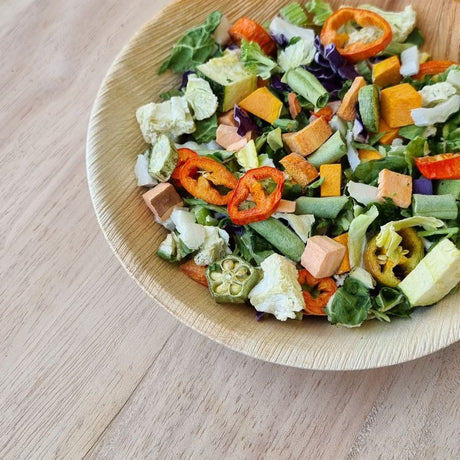
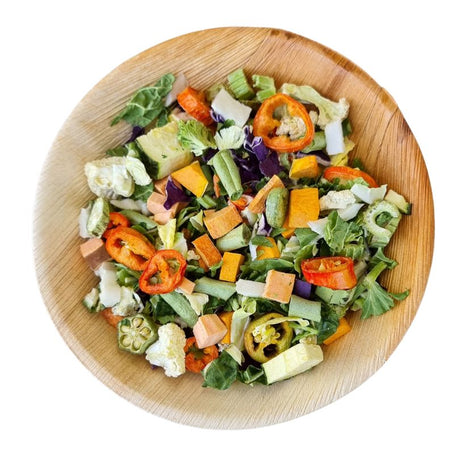
Raw for Birds makes their Freeze Dried Seasonal Chop from fresh seasonal fruit and vegetables picked up from the Brisbane markets each week, then washed, prepared and freeze dried. It can go in the bowl dry as a crunchy snack or be rehydrated for a softer texture. For a Conure that likes to hold its food, the Freeze Dried Corn Slices are cut large enough to thread on a skewer or wedge into a toy.
Beak Joy Freeze Dried Seasonal Vegetables and Beak Joy Freeze Dried Seasonal Fruit and Vegetables come in 30g bags, which suits a single Conure better than a pack you end up throwing out. Our complete guide to freeze dried food covers serving, rehydrating and storage.
Growing Greens at Home
The Raw for Birds Bird Microgreens Grow Kit grows broccoli, kale, radish or mixed microgreens on a windowsill in a week or two. A Conure that turns its nose up at a floret of broccoli will often shred a tray of broccoli microgreens, and it is a cheap way to have fresh greens on hand every day.
Can Conures Eat Soaked and Sprouted Seed?
Yes, and it is one of the easiest ways to get more variety into a seed eater. Soaking takes seed your Conure already recognises and turns it into something soft, fresh and different in texture.
Choose the blend by the size of the ingredients your bird handles comfortably. The Raw for Birds Petite Soaking Blend is thirteen smaller seeds, grains and legumes and suits a Green Cheek Conure. The Raw for Birds Chunky Soaking Blend has larger ingredients and organic almonds through it and suits Sun Conures and other Conures that prefer chunkier seed.
Sprouting goes a step further by letting the seed germinate. The Raw for Birds Sprouting Blend is seven organic grains, beans and legumes, and there is a Sunflower Free Sprouting Blend for a Conure that already gets plenty of sunflower elsewhere. Both take a bit of patience, and it is normal for a bird to ignore soaked or sprouted seed at first.
Soaked and sprouted seed is wet, so it spoils far faster than dry seed. Use clean equipment, rinse it well, take leftovers out promptly in warm weather, and throw the batch away if it smells sour, feels slimy or shows any mould. Our guide to soaking seed and guide to sprouting seed walk through the method.
Can Conures Eat Nuts?
Yes, in moderation, and a nut in the shell is one of the best foraging jobs you can give a Conure because it takes work to get into.
Size and shell hardness matter more than variety. For a Conure that is new to nuts in the shell, start with peanuts in shell, which are roasted, easy to open and suitable for Cockatiels up to large Macaws. Once your bird has worked out how to crack a shell, almonds in shell are the next step, harder to get into and about the right size for most Conures. Bigger nuts like walnuts and macadamias are better left for the large parrots, or cracked for your bird if you do offer one.
For something to sprinkle rather than crack, the Raw for Birds Fruit and Nut Treat is sixteen fruits, nuts, seeds and flowers, suitable for Conures to large Macaws, with the note that smaller birds will find the large nuts easier chopped. Our guide to safe nuts and seeds covers matching shells to beaks, how much is reasonable and why roasted peanuts rather than raw.
What Treats Can I Give a Conure?
Conures are food motivated, which makes treats useful for training and step up work, and easy to overdo.
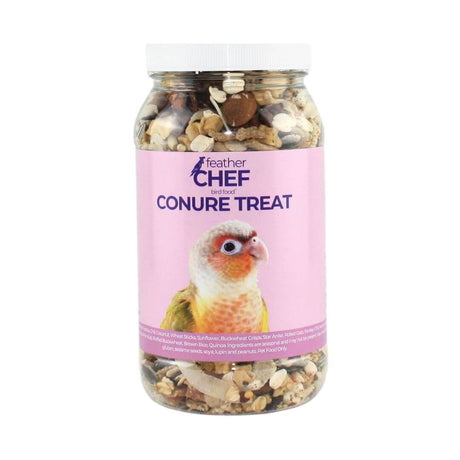
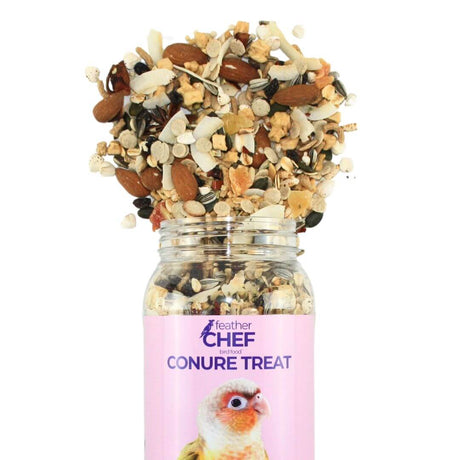
The Feather Chef Conure Treat is seeds, fruit, nuts, herbs and spices with toasted buckwheat crisps, puffed brown rice and cracked hemp seed, and the pack is clear about how to use it: one teaspoon, one or two times a week, in a foraging toy or during training. That is a fair benchmark for any treat. It comes in 350g and 900g jars.
"Tico, my Conure is just filling up on everything nutritious, still growing and haven't started any serious training yet."
Annelise K., verified buyer, Feather Chef Conure Treat. Bought for a Conure.
The team at Raw for Birds pop their Parrot Popcorn fresh to order, with no added fats, oils or artificial flavours and a light dusting of cayenne, beetroot or spinach. One or two pieces a day is plenty, and a Conure will hold a piece in one foot and work through it.
For a treat that takes time, the Forage pinecones are a natural pinecone rolled in seed with a hook to hang it. The Forage Small Bird Pinecone Treat is coated in millets, canary seed, oats, carrot and coconut, and the Forage Parrot Pinecone Treats come in Medium and Large with a chunkier coating that adds sunflower, corn, wheat and sorghum. Either suits a Conure, so it comes down to whether your bird prefers small seed or big seed.
Raw for Birds Banksia Nibbles are a seed coated banksia pod on a jute rope, and the Raw for Birds Tropical Treat is dried fruit and flowers that works scattered through a foraging tray or over fresh chop. The full range is in our treats collection.

Feather Chef Conure Treat |

Raw for Birds Parrot Popcorn |

Forage Parrot Pinecone Treats |
Feather Chef Conure Treat, Raw for Birds Parrot Popcorn and Forage Parrot Pinecone Treats.
Do Conures Need Cuttlebone or a Mineral Block?
Cuttlebone and mineral blocks give a Conure something firm to chew and add a little calcium along the way. Mineral Nibblers combine a mineral block with coloured beads and suit Conures, while the cuttlebone and mineral range has several other sizes and styles.
They are not a fix for an unbalanced diet, though. A bird eating a suitable pellet is probably already getting the calcium it needs, and if you are worried about calcium, egg laying or a deficiency, talk to an avian vet before reaching for supplements.
Conures remove the hull before eating most seeds, so they do not generally require shell grit to grind their food.
Is My Conure Overweight?
A weight chart will not tell you on its own. A Green Cheek and a Nanday are very different sizes, and body condition matters as much as the number on the scale. An avian vet can check the keel, muscle and fat and give you a target for your particular bird.
If the advice is to cut back on fatty seed, there are two ways to go. The Feather Chef Small Diet Blend has no sunflower at all and keeps the sesame low, built on five millets with buckwheat, quinoa, chia, fruit, spices and dried pumpkin, dusted with dandelion leaf and vegetable powders. The Raw for Birds South American Small Parrot Seed Blend takes the other route, keeping sunflower low and mixing pellets through the seed so more of each mouthful is balanced food. Either can be brought in gradually through an existing blend. Both listings say to check with your vet before moving to a low fat blend, which is fair advice.
A lighter seed mix is only one lever. Measured portions, more pellet and vegetable in the bowl, fewer rich treats, regular weighing and more chances to fly, climb and forage all count, usually more than the seed does.
What Shouldn't Conures Eat?
Avocado, chocolate, caffeine, alcohol and onion are the ones to keep well away from, along with salted, sugary or heavily processed human food. Fruit stones and apple seeds are best removed.
Avoid anything mouldy, and store seed properly rather than leaving an open bag in a warm cupboard. Our guide to storing bird seed covers freezing, pests and shelf life.
Common Conure Feeding Questions
What is the best food for a Conure?
A varied diet that includes a suitable formulated pellet, vegetables and other fresh foods, with measured amounts of seed, nuts and treats. The right balance can vary with the species, age, activity level and health of the individual bird.
Can Conures live on seed alone?
They can get by on a seed heavy diet, but seed alone does not give a reliable nutritional balance. If your Conure eats only seed at the moment, introduce pellets and fresh food gradually rather than suddenly removing the food it recognises.
How much should I feed my Conure?
That depends on the species, body condition, activity level and the foods being offered. Measure the daily amount and check what is eaten rather than judging by a bowl full of husks. An avian vet can provide individual guidance if your bird is underweight, overweight, breeding or unwell.
Do Conures need pellets?
A suitable formulated pellet is worth introducing because a Conure cannot pick out only its favourite ingredients. Tropican Lifetime Formula 2mm Granules and Vetafarm South American Pellet both suit Conures. Introduce pellets gradually and never withhold familiar food to force the change.
Why does my Conure only eat the sunflower seeds?
Sunflower is high in fat and many Conures pick it out first. Measure what you offer, check for empty husks and choose a blend where sunflower is one ingredient among many, or a low sunflower blend if your bird is carrying weight. Do not sharply restrict food to make the bowl empty.
Can Conures eat chilli?
Yes. Birds are much less sensitive to capsaicin than people. Fresh chilli, dried chilli and the chilli already included in all three Conure seed blends can be offered as part of a varied diet. Wash your hands after handling it.
Can Conures eat fruit?
Yes, in smaller amounts than vegetables. Remove stones and apple seeds, cut it chunky enough to hold, and take out anything uneaten rather than leaving it in the cage on a hot day.
Can Conures eat nuts?
Yes, in moderation, and a nut in the shell doubles as a foraging job. Start with roasted peanuts in shell for a Conure new to nuts, then move to almonds in shell once it can crack a shell. Peanuts should be roasted, not raw.
Can Conures eat soaked or sprouted seed?
Yes, and it is a good addition. Use the Petite Soaking Blend for a Green Cheek and the Chunky Soaking Blend for a Sun Conure or any Conure that prefers chunkier seed. Expect a bird to ignore it for a week or two before trying it.
Can Conures eat freeze dried fruit and vegetables?
Yes. Freeze dried produce is handy in foraging toys and on hot days when fresh food goes off quickly, and it can be rehydrated for a softer texture.
How often should I give my Conure treats?
The Feather Chef Conure Treat pack says one teaspoon, one or two times a week, which is a fair benchmark for most treats. Popcorn is one or two pieces a day. Use treats for training and foraging rather than leaving them in the cage.
Do Conures need shell grit?
Conures remove the hull before eating most seeds, so they do not generally need shell grit to grind their food. Cuttlebone and mineral blocks can provide an additional calcium source, but they should not be relied on to correct an otherwise unbalanced diet.
How do I get my Conure to try new food?
Mix a little of the new food through what they already eat rather than swapping the bowl over, offer it at the time of day they are hungriest, and eat some yourself in front of them. Conures are curious and a food they watch you enjoy is often the one they try first.
My Conure has stopped eating. What should I do?
See an avian vet promptly. A bird that goes off its food is not something to wait out or troubleshoot at home.
Where to Start
If your Conure eats mostly seed, you do not need to replace the entire bowl tomorrow. Keep the familiar food available while introducing an appropriate pellet and a few vegetables in small, manageable amounts.
A better seed blend improves what is in the bowl, but it should sit inside the wider diet rather than doing all the work. Save nuts and the favourite seeds for training and foraging, and keep the richer treats in check.
Your Conure will still throw the broccoli on the floor for a fortnight. Keep offering it.
You can browse the full range in our Conure collection.