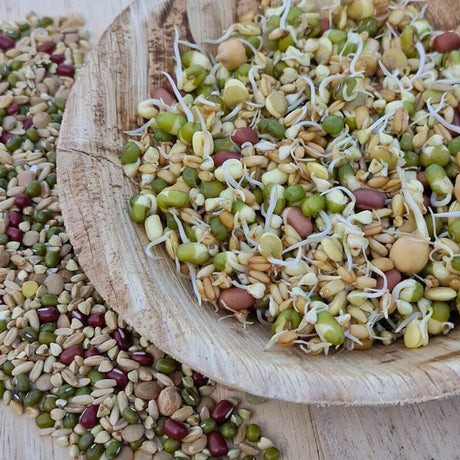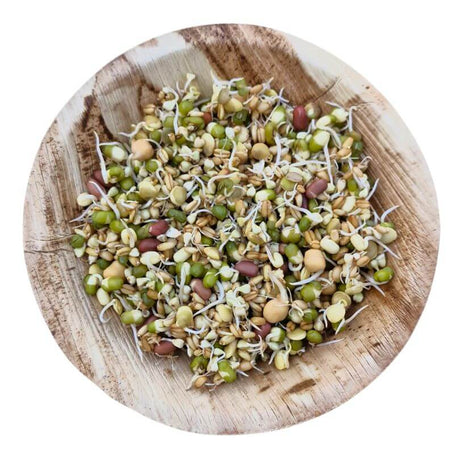

Soaking is one of the easiest ways to turn dry seed into something soft, fresh and a little more interesting. It's also a good first step if your bird has never shown much interest in anything that isn't straight out of a packet.
It takes a few minutes of actual work, spread over a day. You don't need special equipment, and it's simpler than sprouting.
Here's how to do it, what to watch for, what you can soak and where soaking sits alongside sprouting.
Just looking for the method? Jump straight to How to Soak Seed.
What Soaking Actually Does
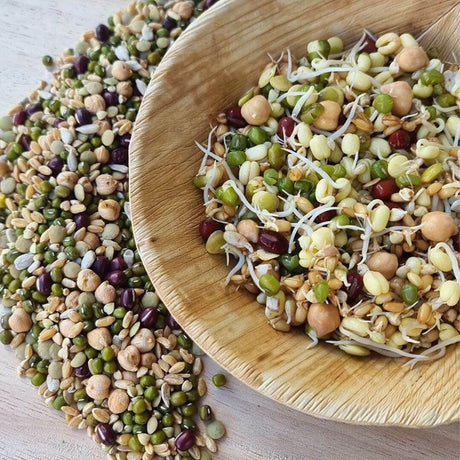
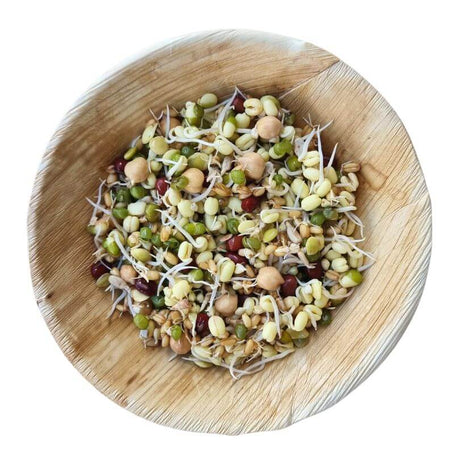
Many dry seeds are dormant. Adding water rehydrates them and, where the seed is viable, begins the early stages of germination.
The most obvious change is texture. Soaked seed becomes soft and plump, smells different and feels nothing like the dry seed your bird is used to finding in its bowl.
That change can make it particularly useful for birds that are reluctant to investigate fresh food. Mixing a little soaked seed through familiar food can be an easy way to introduce something different without presenting an entirely unfamiliar bowl.
Soaking or Sprouting?
They're closely related, but they're not quite the same thing.
Soaking stops after the seed has spent time in water. It usually takes a matter of hours and is simpler to manage because you're not waiting for the ingredients to grow.
Sprouting goes further. After soaking, suitable seeds are repeatedly rinsed and drained while they're allowed to germinate over the following days. It takes more attention, and different seeds can germinate at very different rates.
Most people find soaking an easy place to start and move onto sprouting once they're comfortable with the process. If you want to go further, our guide to sprouting seed for birds covers the next step.
What Seed Can You Soak for Birds?
Many of the seeds and grains commonly fed to birds can be soaked, but that doesn't mean everything in the pantry belongs in the soaking bowl.
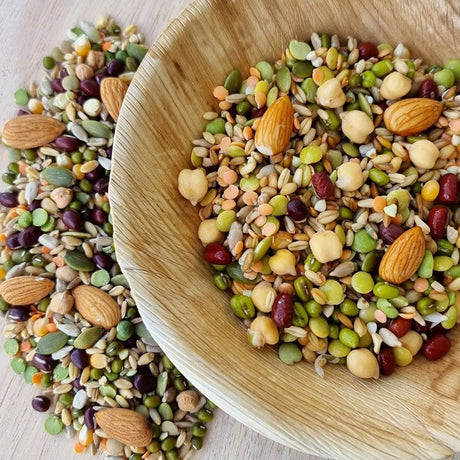
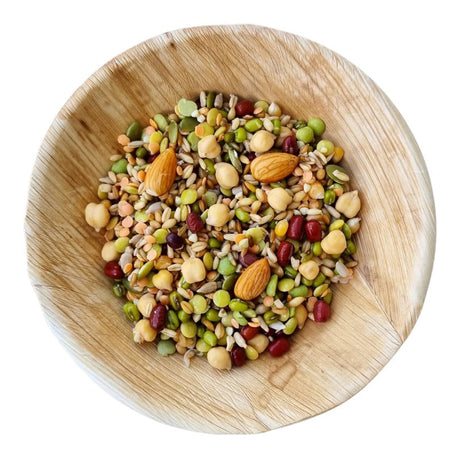
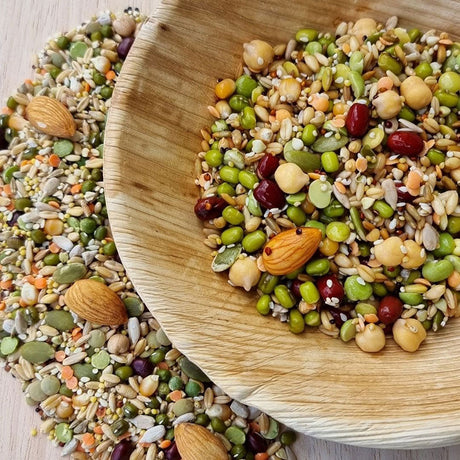
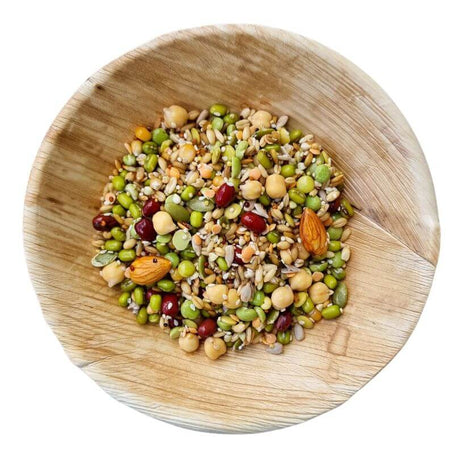
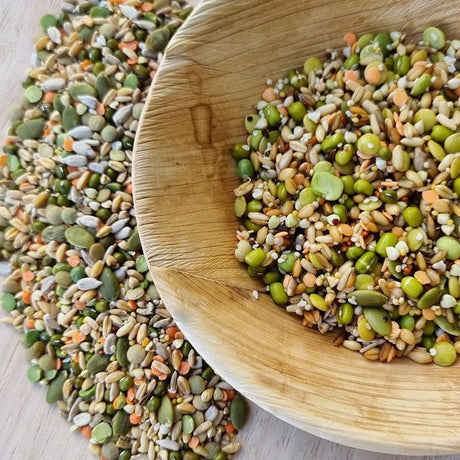
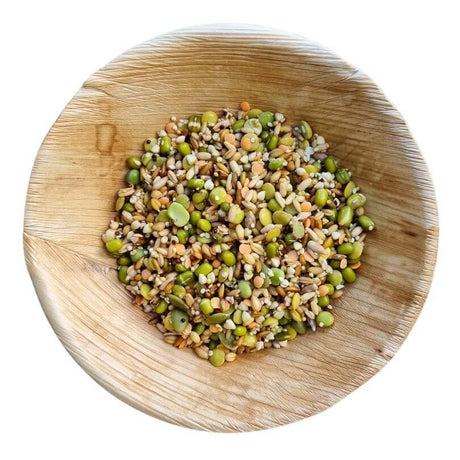
The easiest option is a purpose-made soaking blend, where the ingredients have been selected to work together and the recommended soaking time is already provided.
Depending on the blend, this can include different seeds, grains and nuts. Rather than assuming every ingredient needs the same amount of time, follow the instructions for the particular blend you're using.
How to Soak Seed
Start with a soaking blend, then follow these steps.
- Measure it out. Check the serving guide on your blend and only prepare what you're likely to use over the next few days.
- Rinse thoroughly. Run the blend under cold water until the water runs close to clear. Use a fine strainer or a sprouting jar, as some seeds can be very small.
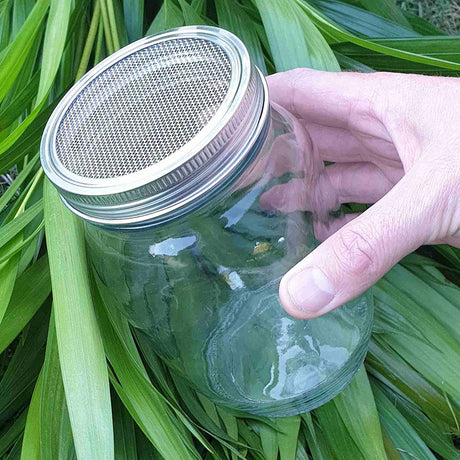
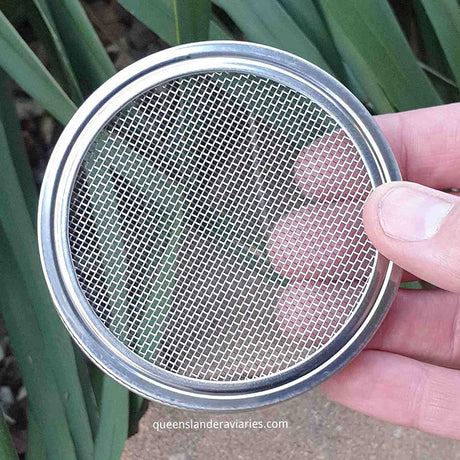
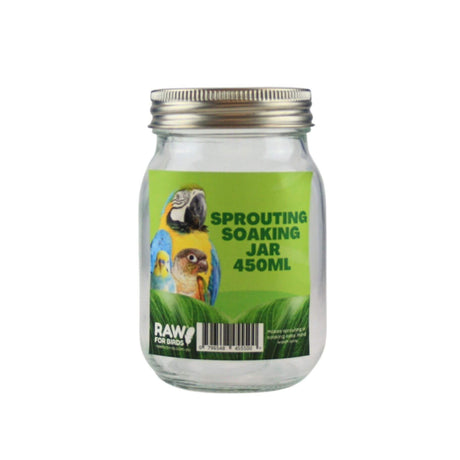
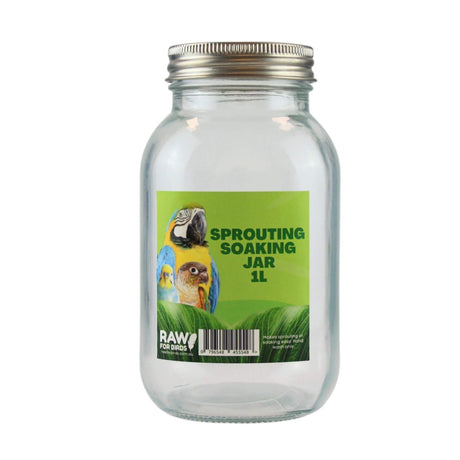
- Put it in a clean container. If you're using a sprouting jar, you can soak, rinse and drain in the same jar.
- Cover with cold water. Make sure there is plenty of water above the blend, as the ingredients will absorb some as they soak.
- Cover and leave it to soak. Check the label for the recommended time, as this varies between blends. Never soak for longer than 24 hours.
- Rinse and drain well. Once the soaking time is finished, rinse thoroughly with fresh cold water and allow the excess water to drain.
- Serve in a clean dish. Treat soaked seed like any other wet food and remove anything uneaten after three hours.
Tips for Soaking Success
- A sprouting jar makes soaking, rinsing and draining much easier and can also be used to store the finished batch in the fridge.
- Use clean equipment every time, including measuring cups, bowls, jars, strainers and utensils.
- If mould is a recurring problem, Vetafarm Aviclens can be used during the initial soak. Always follow the directions on the product label.
- Don't over-soak. Follow the recommended time for the blend you're using and never leave it soaking for more than 24 hours.
- Store finished soaked seed in an airtight container in the fridge for up to three days. Rinse and drain before each serve.
- Skip soaking during extreme heat. In a Queensland summer, warm conditions can make wet food spoil much more quickly.
Can You Soak Nuts?
Yes. Nuts soften when soaked and the change in texture can make them particularly interesting to a bird that likes variety.
Almonds, Cashews, Hazelnuts, Macadamias, Pecans and Walnuts can all be soaked.
Some soaking blends include nuts already. The Chunky Soaking Blend and Flock Soaking Blend both contain nuts, so you don't need to add your own.
For more on nuts generally, see our guide to safe nuts and seeds for birds.
What to Watch For
Soaked seed is wet food, and wet food spoils. That's the main thing to remember.
Smell it before you serve it. If it smells sour, musty, fermented or simply doesn't seem right, throw it out and start again.
Rinse it well, keep your equipment clean, refrigerate finished batches promptly and don't leave soaked seed sitting in the cage for hours.
Our article on protecting your bird from mould covers mould and what to look for in more detail.
Frequently Asked Questions
How long should I soak seed for?
Check the instructions on the blend you're using, as soaking times vary. Many soaking blends are ready within eight to twelve hours, and nothing should be left soaking for longer than 24 hours.
How long does soaked seed keep?
Store it in an airtight container in the fridge for up to three days. Rinse and drain before each serve, and throw it out if the smell, appearance or texture doesn't seem right.
Can all seeds be soaked?
Many seeds commonly included in bird food can be soaked, but we wouldn't assume that every seed or ingredient is suitable. A purpose-made soaking blend is the easiest option because the ingredients have been selected to be prepared together.
Is soaking better than sprouting?
Neither is necessarily better. Soaking is quicker and simpler, while sprouting continues the process and allows suitable seeds to germinate. Plenty of bird owners use both.
How often can I offer soaked seed?
Soaked seed can be offered regularly as part of a varied diet. It works best alongside your bird's other foods rather than becoming the only thing in the bowl.
Can I soak seed in hot weather?
We'd skip it during extreme heat. Soaked seed is a wet food and can spoil quickly, and a Queensland summer can make keeping it fresh much harder.
My bird won't touch soaked seed. What now?
Don't give up after one try. Mix a small amount through their usual dry blend so the bowl still looks familiar, and try offering it first thing in the morning when they're ready to eat.