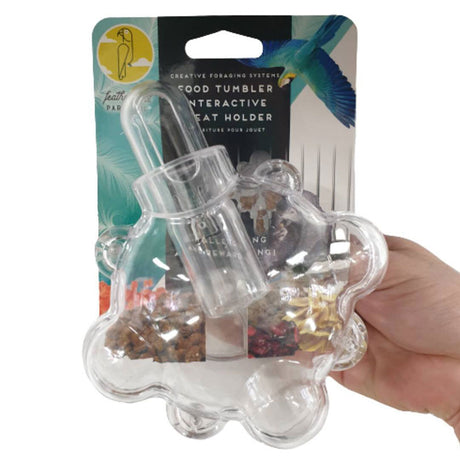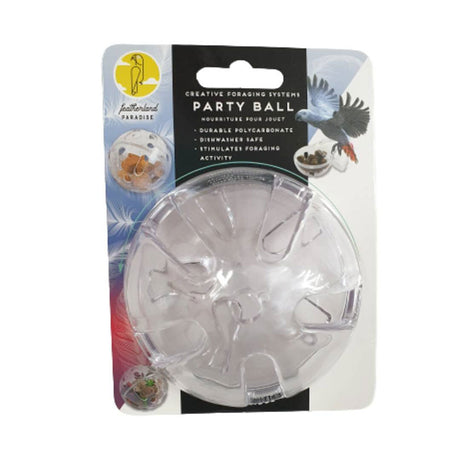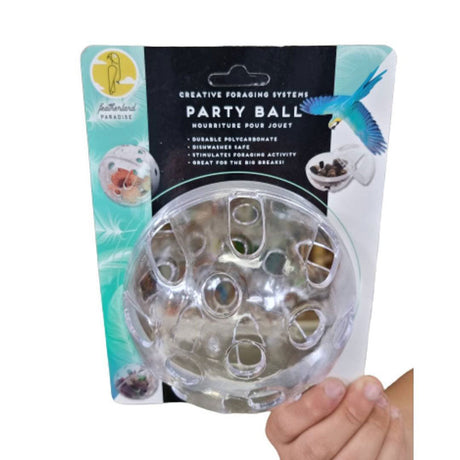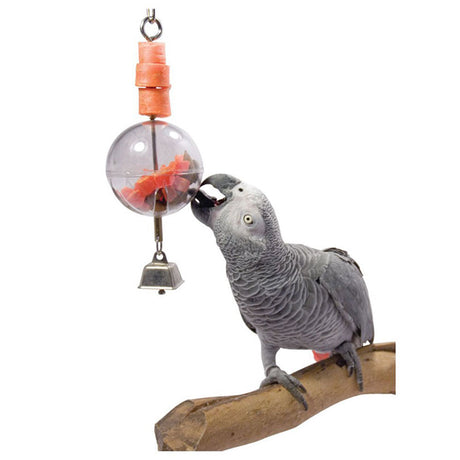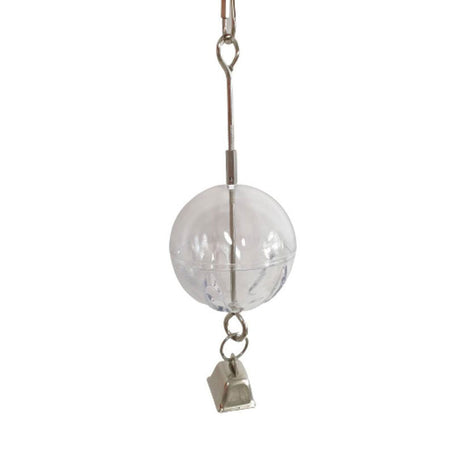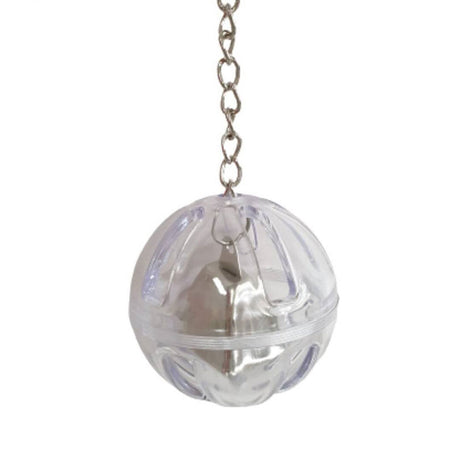

A bowl makes food easy. Sometimes a little too easy.
Wild parrots spend a significant part of their day travelling, searching for and working on food. Put the same meal in a bowl and the job can be over in minutes.
Foraging toys put some of that work back into the day.
The Foraging Wheel is one of our favourites for medium and larger parrots because you can make it very easy while they're learning, then gradually increase the challenge once they've figured it out.
Here's how to set it up, what to put inside and, most importantly, how to teach your bird what they're supposed to do with it.
Jump to Setting It Up, Teaching Your Bird to Use It, What to Put Inside, Keeping It Clean or Frequently Asked Questions.
What Is a Foraging Wheel?
A Foraging Wheel has several compartments that can be filled with food. Your bird rotates the wheel to move different compartments into position and reach what's inside.
Instead of simply walking up to a bowl, they have to investigate, turn the wheel and work out how to reach the next piece of food.
It's generally best suited to medium and large parrots such as Conures, Ringnecks, Alexandrines, Amazons, Eclectus, Caiques, Lorikeets and Hahn's Macaws.
How to Set Up a Foraging Wheel
Wash it before first use. Use warm water and a mild detergent, rinse thoroughly and allow it to dry completely before adding food.
Mount it somewhere your bird already spends time. Beside a favourite perch or near the usual feeding area is a much better starting point than an unfamiliar corner of the cage.
Position it at a comfortable height. Your bird should be able to reach and turn the wheel without stretching awkwardly or losing balance.
Secure it properly. The wheel should rotate as intended rather than swinging around while your bird is trying to use it.
Don't make it difficult straight away. The first goal is simply teaching your bird that food comes out of the wheel. You can make them work harder later.
How to Teach Your Bird to Use a Foraging Wheel
Some parrots take one look at a Foraging Wheel and start pulling it apart immediately. Others look at it as though you've installed suspicious new machinery in their cage.
Both are normal.
Start With an Easy Win
Put a favourite food in the compartment closest to the opening so your bird can reach it without doing much work.
Once they're confidently taking food from that compartment, move the wheel slightly so they need to turn it a little to reach the next piece.
Gradually increase the amount of work required as they understand what the wheel does.
Use Food They Actually Want
When you're teaching a new foraging toy, this isn't the time for the food your bird politely ignores.
Use something they'd normally pick out of the bowl first. A favourite seed, piece of nut, pellet or dry treat gives them a reason to keep investigating.
Show Them What Happens
Turn the wheel yourself while your bird is watching so they can see food appear at the opening.
You don't need to repeatedly demonstrate it. Sometimes one or two obvious turns are enough for a curious parrot to start testing it themselves.
Keep Their Normal Food Available
Don't suddenly make a new puzzle the only way your bird can access food.
Leave their usual bowl available while they're learning. Once they're confidently using the wheel, you can move part of their normal daily food into it.
Give Them Time
Some birds work it out quickly. Others need repeated introductions before they're comfortable enough to investigate it properly.
If your bird isn't interested, make the puzzle easier rather than filling it with more food or forcing them towards it.
What Can You Put in a Foraging Wheel?
Dry foods are the easiest place to start because they're simple to handle and don't create much mess inside the compartments.
- Their usual seed blend. An easy way to turn part of the normal daily ration into a foraging activity rather than adding extra food.
- Pellets. Scatter a few through different compartments or mix them with other dry foods.
- Nuts and larger pieces. Particularly useful for larger parrots. See our guide to bird-safe nuts and seeds.
- Favourite individual seeds. A few high-value pieces hidden among everyday food can encourage a bird to keep turning the wheel.
- Freeze-dried fruit and vegetables. Dry, light and easy to use in foraging toys. Our guide to freeze-dried food for birds explains where it can fit into the diet.
- Dry treats, herbs and botanicals. Small pieces can add different smells, textures and something new to investigate.
- Fresh vegetables. These can be used too, but treat them as fresh food and remove leftovers promptly, particularly in warm weather.
You don't need to change the contents every day for the wheel to stay useful. The challenge of finding and accessing food is enrichment in itself.
That said, changing the foods, the compartments you use or how easy they are to reach can keep the activity interesting.
Using the Wheel for Everyday Meals
A Foraging Wheel doesn't have to be filled with treats.
One of the best ways to use it is to take some of the food your bird would normally receive in a bowl and put that into the wheel instead.
That way your bird is working for part of their normal diet rather than simply eating extra food because there's a new toy in the cage.
Once they understand the wheel, you can spread food through several compartments so they have to keep moving around it to find everything.
Keeping a Foraging Wheel Clean
Wash the wheel regularly, and more often if you've used fresh or damp food.
Use warm water and a mild detergent, rinse thoroughly and allow every compartment to dry completely before refilling it.
Fresh food left inside a closed compartment can spoil quickly, particularly during a Queensland summer, so remove leftovers promptly rather than leaving them sitting in the wheel.
Our guide to protecting birds from mould covers what to watch for, and our bird cage cleaning guide explains the difference between cleaning and disinfecting.
Make Foraging Bigger Than One Toy
A Foraging Wheel is a good start, but it doesn't need to do all the work.
You can hide food in several places around the cage or play area, rotate different puzzles and change how difficult they are depending on your bird's confidence.
Some days that might mean a wheel full of their normal food. Another day it might be a few favourite pieces hidden in a mat, bowl or shreddable toy.
The aim is simply to make at least some food worth looking for.
Have a look at our full range of foraging toys, along with foraging mats and foraging bowls.
Frequently Asked Questions
Which birds can use a Foraging Wheel?
Foraging Wheels are generally best suited to medium and large parrots, including Conures, Ringnecks, Alexandrines, Amazons, Eclectus, Caiques, Lorikeets and Hahn's Macaws. The important thing is that your bird can comfortably reach, grip and turn the wheel.
What can I put in a bird Foraging Wheel?
Seed, pellets, nuts, dry treats and freeze-dried fruit and vegetables all work well. Fresh vegetables can also be used, but remove leftovers promptly and clean the wheel afterwards.
How do I get my bird to use a Foraging Wheel?
Start with a favourite food positioned where it's very easy to reach. Once your bird understands that the wheel contains food, gradually move it so they need to turn the wheel further to reach the next piece.
What if my bird is scared of the Foraging Wheel?
Don't force the interaction. Put the wheel somewhere they can see it without having to approach it, then gradually move it closer to their usual feeding area as they become comfortable. Some parrots need more time than others with new objects.
Can a Foraging Wheel replace a food bowl?
Once your bird is confidently using it, the wheel can hold part of their normal daily food. We wouldn't make an unfamiliar foraging toy their only food source while they're still learning how it works.
Should I use treats or normal food?
Either works. Favourite foods can be useful when you're teaching the wheel, but once your bird understands it, using part of their normal seed or pellet ration is an easy way to add more foraging to the day without adding extra food.
How often should I clean a Foraging Wheel?
Clean it regularly and whenever food debris begins to build up. If you've used fresh or damp food, clean it after use and allow it to dry completely before refilling.