
Bringing home a bird is exciting, but it is much easier when the cage is already set up and the food is ready. You do not need to buy every accessory on day one. Start with a suitable cage, perches, food and water, a few toys and a carrier to bring your bird home.
The right choices depend on the species. A Finch needs a different setup from a Macaw, so use this checklist as a starting point and check the details for your bird.
Jump to The New Bird Checklist, Choosing a Cage, Food and Water, Bringing Your Bird Home, The First Week or FAQs.
The New Bird Checklist
Have these ready before you collect your bird:
- A cage with suitable dimensions and bar spacing for the species
- Natural perches in a few widths
- Food your bird is already eating, plus food you plan to introduce later
- Food and water bowls
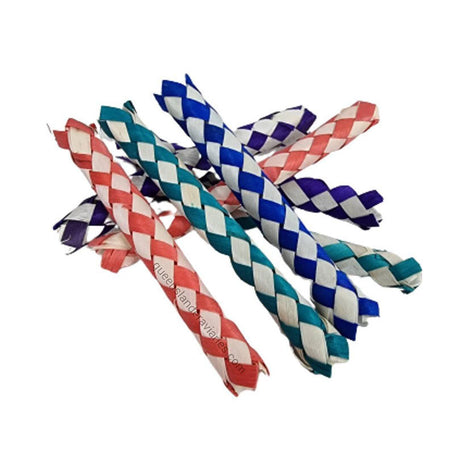
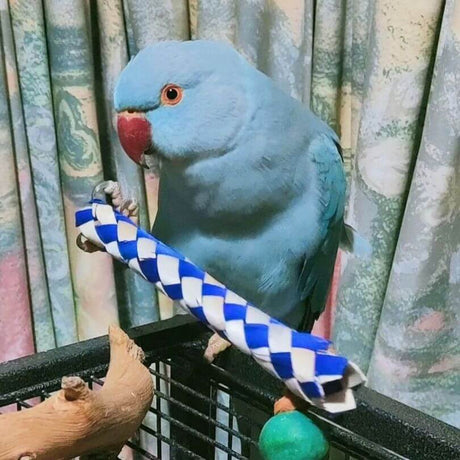
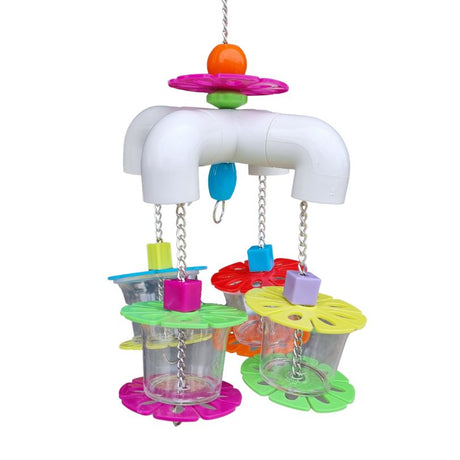
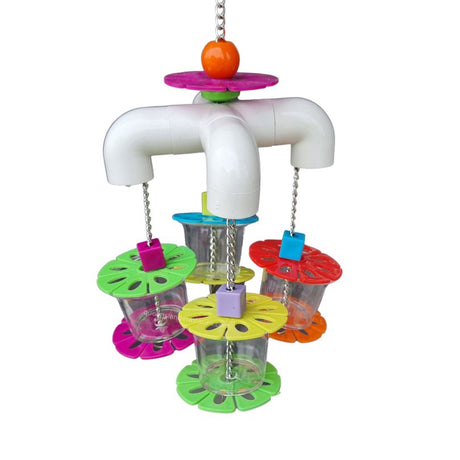
- Two or three toys for chewing, climbing or foraging
- A secure carrier for the trip home and future vet visits
- An avian vet’s contact details
You can add a bath, play stand, extra toys and other accessories once you have seen what your bird enjoys. For small birds, you may also want to offer cuttlebone. Ask your avian vet if you are unsure what your species needs.
Choosing a Cage
Choose the largest practical cage with bar spacing suited to your bird. Your bird needs room to move between perches, stretch its wings and use its toys without the cage feeling crowded. For Finches and Canaries that spend much of their time inside, a longer flight cage is particularly useful.
Our small bird cages and large bird cages let you compare options. Check the dimensions and bar spacing on each product page before choosing. If you tell us your bird’s species, we can help narrow down the cages that suit it.
Place the cage in a room where people spend time, away from the kitchen, draughts and strong afternoon sun. Set it up before your bird arrives so it can go straight into a familiar space.
Perches and bowls
Many cages come with smooth dowel perches. Add a couple of natural wood perches that vary in width, giving your bird different places to stand and move. Browse our bird perches, or read our guide to choosing perches for a bird cage.
The bowls supplied with your cage may be fine to start with. Stainless steel bowls are easy to clean, and a bowl that fastens to the bars can be useful for a Parrot that likes to lift or tip its dishes. Give your bird fresh water every day and wash the bowls regularly.
Food and Water
Ask the breeder, rescue or seller exactly what your bird has been eating. Buy some of that food before collection, even if you plan to change its diet. A new home is already a big change, and a food change should be made gradually while you check that your bird is eating.
Feeding needs vary by species. We stock seed blends and pellets for different birds, but the right combination for a Budgie may not be the right one for an Eclectus or a Finch. If you are unsure where to start, tell us the species and what it currently eats. Your avian vet can also advise on its diet, especially if you are changing from seed to pellets.
Fresh food can be part of your bird’s routine too. Our bird vegetables guide is a useful reference when you are deciding what to offer.
Toys, Foraging and Time Out of the Cage
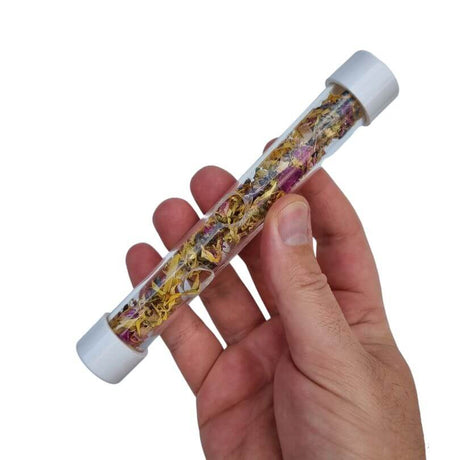
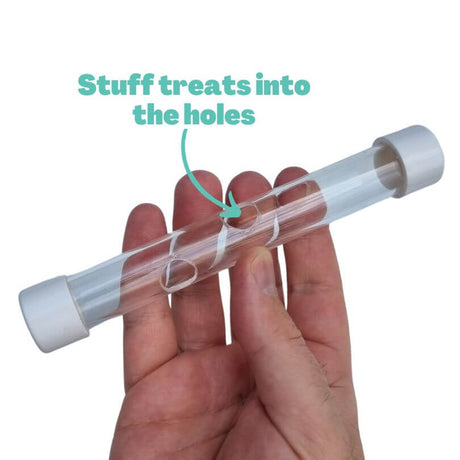
Start with a small mix of toys rather than filling every bit of cage space. One toy to chew or shred, one to climb or swing on, and a simple foraging toy give your bird a few different things to do. You can rotate toys as you learn what it likes.
For a small bird, explore our small bird toys. Larger Parrots often get through chew toys quickly. That is normal: pulling things apart is part of the activity. You can read more in our guide to birds that destroy their toys.
A play stand can give a Parrot its own place to sit during supervised time out of the cage. It is useful, but it does not have to be part of your first shopping trip.
Bringing Your Bird Home
Have a secure carrier ready for collection. You will use it again for vet visits, so it is worth choosing one that suits your bird’s size. We have a Small Bird Carrier and a Deluxe Parrot Carrier, along with other options if you need help choosing.
Before collection, ask:
- What food is the bird eating now?
- Where are its food and water usually placed?
- Is it fully weaned and eating independently?
- Has it seen an avian vet, and are there any records to take home?
If a baby bird is still being hand fed, speak with an avian vet before taking on its care. Hand feeding requires experience and is not something a first time owner should have to learn after bringing a bird home.
The First Week at Home
Give your bird time to take in its new surroundings. Keep food and water easy to find, talk to it calmly and let it get used to your normal routine. You can begin interacting more as it settles; there is no need to rush handling on the first day.
Check that it is actually eating and drinking, rather than only picking through the food. Watch its droppings and general behaviour too. If it is not eating, seems unusually quiet or sits fluffed up for long periods, contact an avian vet promptly.
This is also a good time to look around your home from a bird’s point of view. Kitchens, open water, other pets and household fumes need thought before your bird comes out to explore. Our guides to preparing your home for a bird and toxic household items cover more of the things to check.
Need Help Choosing a Setup?
Tell us your bird’s species, whether it is one bird or a pair, and what you already have. We can help you choose a cage, food, perches and a few toys that fit your bird and your space. Get in touch with our team before you buy if you are unsure.
New Bird Owner FAQs
Do I need everything on the checklist straight away?
Have the cage, perches, bowls, familiar food and carrier ready before collection. Start with a few toys. Baths, play stands and extra accessories can be added after your bird settles in.
Should I change my new bird’s food?
Find out what it currently eats and have that available when it arrives. If you want to introduce different food, make the change gradually and check that your bird continues to eat.
How many toys should I put in the cage?
Start with two or three different types, leaving plenty of room for your bird to move. You can add or rotate toys once you know what it enjoys.
When can I start handling my new bird?
Let your bird settle and watch how it responds when you approach. Some are ready to interact quickly; others need more time. Follow its behaviour rather than a fixed number of days.
What if my new bird is not eating?
Check that it can find the bowls and that you are offering the food it was eating before. Contact an avian vet promptly if it is not eating or also appears unwell.