
Feathers all over the cage floor, a scruffy head full of spikes and a normally friendly bird that suddenly does not want to be touched. It can look worrying, but most of the time it is simply a normal moult.
Growing a new set of feathers takes a lot out of a bird. Good food, extra sleep and regular baths all help. For birds eating mostly seed or a homemade diet, Vetafarm Multivet in the drinking water fills the nutritional gaps while the new feathers grow.
Jump to What a Normal Moult Looks Like, How Multivet Helps, Four Ways to Help, When It Is Not a Moult or Common Questions.
What Does a Normal Moult Look Like?
Birds replace worn feathers a few at a time rather than dropping the lot at once, so they can still fly and keep warm while it happens. During a normal moult you may notice:
- whole feathers on the cage floor
- small, spiky pin feathers around the head and neck
- more feather dust and more preening
- extra sleeping and less interest in playing
- a bird that is touchier about being handled
A moult can last from a few weeks to a couple of months. Your bird will look uneven and scruffy for a while, but a normal moult never leaves bald patches. Cockatiels, Galahs and other cockatoos are especially dusty through a moult because they also shed powder down, so wipe surfaces a bit more often and do not read anything into it.
How Does Vetafarm Multivet Help During Moulting?

Feathers are mostly protein, but growing them also takes vitamins, minerals and a couple of amino acids a bird cannot make for itself. A bird on a balanced pellet diet already gets these. A bird eating mostly seed usually does not, which is why seed fed birds often have a slow moult, dull feathers or new ones that come in with ragged edges.
Vetafarm Multivet is a liquid supplement designed by avian vets that goes in the drinking water. It adds vitamins A, D3 and E, B group vitamins, zinc, manganese and the amino acids lysine and methionine, which are the two most tied to feather growth. It is made for seed fed birds and suits any bird that has not yet accepted pellets, and it can be used year round, not only during the moult.
How to Use Vetafarm Multivet
Mix 0.5mL of Multivet with 150mL of clean drinking water. Vetafarm recommends supplying it three to five days each week, and daily during the moult. Make it fresh each day, tip out what is left and rinse the bowl before refilling.
Do not make it stronger or add other vitamin supplements on top of it unless your avian vet says to. If your bird already eats a balanced pellet diet, it probably does not need it.
Shop Vetafarm Multivet Moulting Aid Liquid 50ml
Four Simple Ways to Help a Moulting Bird
1. Keep the Diet Varied
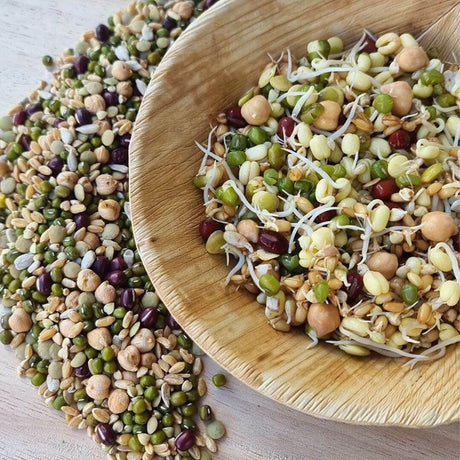
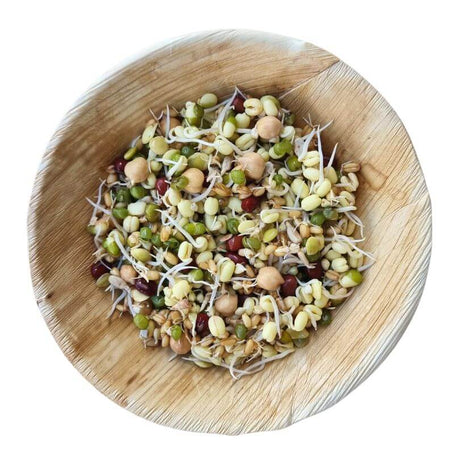
Keep feeding your bird its normal balanced diet. If it is a seed eater, fresh vegetables every day and some soaked or sprouted seed add the protein that dry seed is short on; the Raw for Birds Sprouting Blend is made for this and our sprouting guide shows how. If your bird has never tried pellets, the pellets collection is the long term fix. Multivet tops up the diet, it does not replace good everyday feeding.
2. Offer a Bath
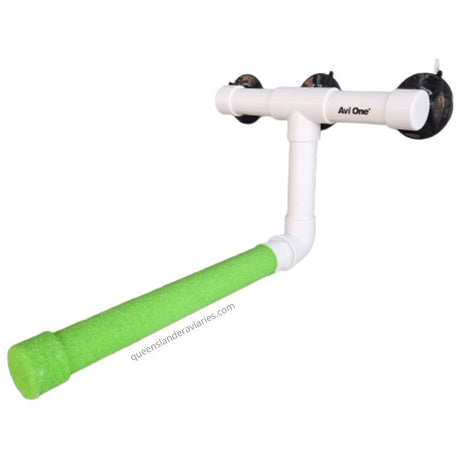
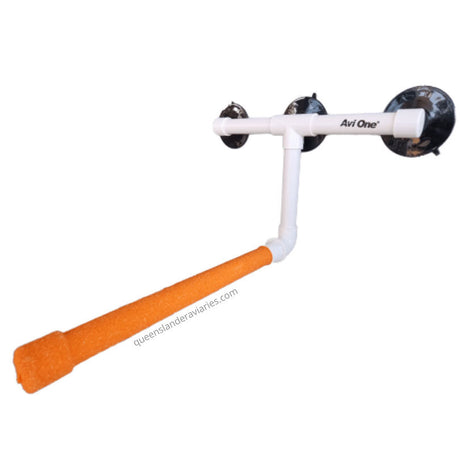
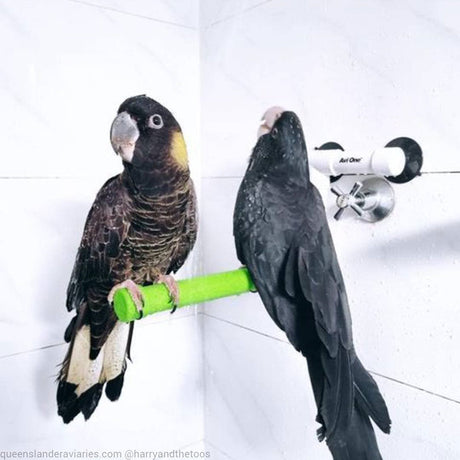
Water softens the dry sheaths on new feathers, settles the dust and makes preening more comfortable, and most birds enjoy a bath more than usual while moulting. Offer a shallow dish, a fine mist from a spray bottle, or bring a bigger bird into the shower on a suction cup perch such as the Avi-One Shower Perch (Small for Budgies, Cockatiels, Conures, Ringnecks and Lorikeets, Large for Eclectus, African Greys, Alexandrines and Macaws). Lukewarm water, every day or two, in the morning so the bird is dry by bedtime.
3. Allow More Sleep
Feathers grow while the bird rests. Aim for 10 to 12 hours of proper dark, quiet sleep and cover the cage at the same time each night. A cage in the lounge room with the television on until late is the most common reason a pet bird moults badly or at odd times.
4. Be Gentle Around Pin Feathers
New pin feathers have a blood supply and they are sore. Keep handling to what the bird asks for and go easy on the head scratches. If your bird brings its head to you, it is fine to roll off sheaths that are dry, white and flaky at the tip, the way a mate would. Leave anything dark, firm or waxy alone, and stop if the bird pulls away. Change the cage liner more often while all this is going on; our cage cleaning guide covers what is safe to use.
When Is Feather Loss Not a Normal Moult?
A normal moult replaces feathers. It never leaves the bird bald, bleeding or losing condition.
Moulted feathers are whole, with a clean shaft and an intact tip. Plucked or chewed feathers are frayed or snapped, and the chest, legs or under the wings go bare while the head, which the bird cannot reach, stays feathered. Book an avian vet check if you see bare patches, broken or chewed feathers, feathers that do not grow back, constant scratching, weight loss, weakness, or a moult that never seems to finish. A supplement is not a reason to put off a vet visit when the feather loss does not look normal.
Common Questions About Moulting
How often do pet birds moult?
Most pet parrots have one main moult a year and often a lighter one. Indoor birds under artificial light are less regular, and Budgies and Cockatiels often drop a few feathers most of the time with heavier patches every few months.
How long does a bird moult last?
A few weeks for a light moult, up to two or three months for a heavy one. A young bird's first adult moult is usually the longest. A moult that never seems to end, or that leaves bare skin, is a reason to see an avian vet.
Is it normal for my bird to be grumpy when moulting?
Yes. Growing feathers is tiring and the head and neck are sore from pin feathers. Quieter, sleepier, less playful and touchier about handling are all normal for a few weeks.
How much Vetafarm Multivet do I give my bird?
Mix 0.5mL with 150mL of clean drinking water and supply it three to five days a week, or every day during the moult. Make it fresh daily.
Does my bird need Multivet if it eats pellets?
Usually not. A balanced pellet diet already provides the vitamins, minerals and amino acids Multivet adds. It is made for seed fed birds and birds that have not yet accepted pellets.
Should I help my bird with its pin feathers?
You can roll off sheaths that are dry, white and flaky at the tip. Leave anything dark, waxy or firm, because it is still growing and it hurts, and stop if the bird pulls away.
What do I do if a blood feather breaks and bleeds?
Keep the bird calm and press lightly on the base of the feather with a clean tissue or a pinch of cornflour for a few minutes. If it does not stop, ring an avian vet. Do not pull the feather yourself unless a vet has shown you how.
Does bathing help a moulting bird?
Yes. Water softens the feather sheaths and settles the dust. Offer a bath, a fine mist or a shower perch every day or two, in the morning, with lukewarm water.
How do I know if my bird is plucking rather than moulting?
Moulted feathers are whole and the bird never goes bald. Plucked or chewed feathers are frayed or snapped, and the chest, legs or under the wings go bare while the head stays feathered. Plucking needs a vet check first, because it often has a medical cause.
Do birds moult in winter?
Wild Australian parrots mostly moult in late summer and autumn, but an indoor bird can moult at any time of year. A winter moult on its own is not a problem, though keep the room warm and skip cold baths.
The Short Version
If your bird is moulting normally, offer regular baths, allow extra sleep, keep the diet varied and be gentle around new pin feathers. If it eats mostly seed or homemade food, add Vetafarm Multivet to the water as directed until the moult is done. Then leave it to the bird. In a month or two you will have a glossier version of the same animal and a lot of feathers to vacuum up.