
You buy a new toy, hang it up, and by the next morning half of it is sitting on the bottom of the cage. For some birds, that just means they've had a good time with it.
We understand why it can feel wasteful though, especially when you've spent good money on something that barely lasted any time at all. If it keeps happening with nearly every toy you buy, there are a few things worth checking before you decide your bird is simply impossible to shop for.
Start With the Species Recommendation
It's easy to get carried away when you're browsing bird toys. Something looks fun, it's new and exciting, and you instantly want your bird to have it. The trouble is that plastic flowers, thin wood, leather and light chain are all perfectly fine for smaller birds, and can be pulled apart in minutes by a Cockatoo or a Macaw, so a toy that looked lovely on the screen can be finished before you've even had the chance to enjoy watching them with it.
That's why it's worth checking species suitability before you buy anything. Our species picker makes that easier by letting you choose your bird first, so the toys you're shown are the ones built for a beak like theirs, and you're far less likely to end up with something that was never designed for them in the first place.
It's worth saying that bigger isn't automatically better either. A toy still needs to suit the size of your bird and be something they can comfortably use, so simply scaling everything up isn't the answer on its own.
What Is the Toy Actually Made From?
Two toys can be roughly the same size and have completely different lifespans depending on what they're made from, and that difference usually has far more to do with the material than the price.
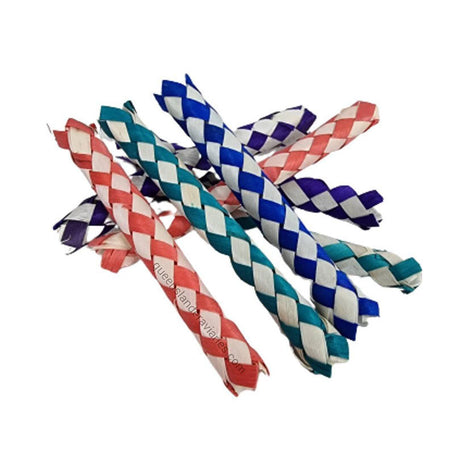
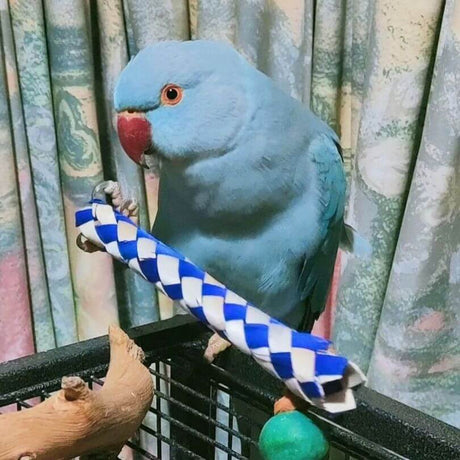
Sola is the obvious example. It's a material that's meant to be destroyed, so a bird who loves it will absolutely obliterate it, because that's the whole point of it. Balsa, paper, cardboard, palm and the other soft natural materials all behave the same way, giving your bird something they can bite into, shred and pull apart. If you keep replacing a demolished shredding toy with another shredding toy and expect it to last a month, you're probably going to be disappointed. For a serious chewer, moving towards a thicker hardwood like Java rather than a soft wood like pine will make a noticeable difference to how long things stay in one piece.
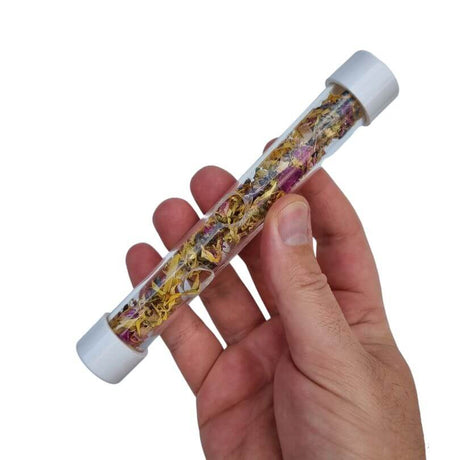
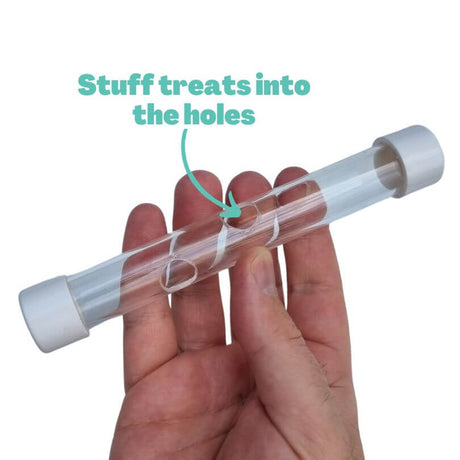
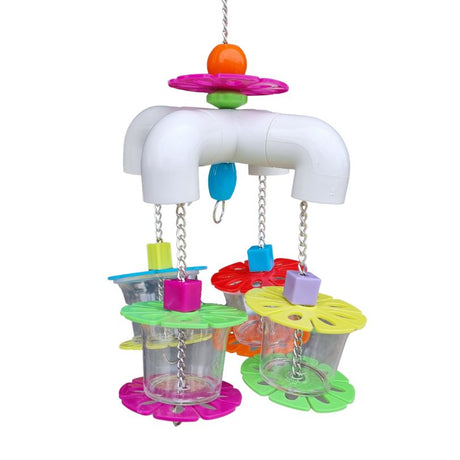
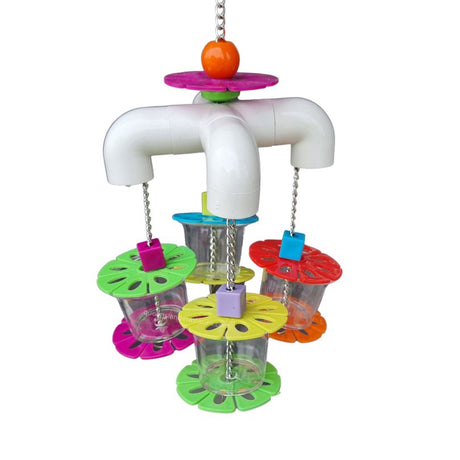
Then there's plastic. We wouldn't choose a standard plastic toy for a Macaw, because a beak like that can crack one without much effort, but acrylic is a different story. A well made acrylic toy in the right size can be a much better choice for a larger parrot when you want something reusable, which is exactly why you'll see acrylic used so often in activity and foraging toys for the bigger birds.
Material matters just as much as the size written on the product.
Some Toys Are Supposed to Be Destroyed
A toy lasting six months doesn't automatically make it better value than one that only lasted a week. What matters far more is whether your bird actually used it. If they spent that week chewing it, pulling it apart and coming back to it every day, then it did its job properly.
Think of it the other way around. If a toy sat there for a fortnight and your bird finally broke a small piece off the end of it, it didn't really do much for them at all. If they shredded it in an afternoon and stayed busy the whole time, that's exactly what it was there for. Toys like that are consumables, and they're best treated that way, replaced as they get used up rather than judged on how long they managed to survive.
What If Everything Is Gone in Five Minutes?
If everything disappears that quickly, including the toys you bought expecting to last, then something probably does need to change. It might be that you've been leaning heavily on soft woods when your bird really needs something with a bit more substance behind it, or that what you've been buying is aimed at smaller parrots even though it looked big enough at the time.
Sometimes it isn't the toys at all and you've simply got a bird who's very good at dismantling things, in which case the answer is balance rather than a completely different shopping list. Shreddable toys still have their place, but they work best sitting alongside tougher options like thicker wood, solid components and chew toys built for strong beaks. The goal is never to stop the chewing. It's to make sure they've got things they're allowed to destroy hanging next to things that make them slow down and work a bit harder for it.
Watch What Your Bird Likes Destroying
Once you've had a bird for a while, their preferences usually become pretty clear. Some will head straight for wood and ignore everything else. Others are drawn to softer materials like Sola and will happily shred them down to nothing. Some prefer to sit and pick apart knots and fibres, working through a toy slowly and methodically over days. And then there are the birds who barely touch a chew toy at all, but will spend ages working their way through an acrylic foraging toy simply because there's food involved.
All of that is useful information when it comes to choosing what to buy next. If you've gone through five wooden toys and every one of them has ended up as a pile of sawdust on the cage floor, your bird has given you a very clear answer about what they like. That doesn't mean you should stop buying wood, it usually just means buying it a little differently. A more durable wooden toy can stay in the cage, with smaller, cheaper pieces going in alongside it for them to work through, and in most cases that works far better than hunting for a single indestructible toy your bird can never get past.
Don't Forget to Check Damaged Toys
A toy can start out perfectly suitable and change quite quickly once a determined parrot gets involved. When you're cleaning the cage, it's worth having a proper look at what's left of everything hanging in there. Damaged fittings, cracked components, exposed hardware and worn rope are all worth catching early, along with anything that has simply changed enough that you're no longer comfortable leaving it in there with your bird.
If something has gone past that point, take it out. Sometimes that just means swapping in a fresh fitting or replacement part and putting the toy straight back in, and sometimes it means the toy has had its life. It matters most with the birds who pull things apart faster than you expect, because they have a real habit of finding the one part of a toy you never thought they'd get to.
So, Are You Buying the Wrong Toys?
Maybe.
If you've been buying toys intended for a smaller species, or choosing materials that were never going to stand up to your bird's beak, then changing what you buy will probably help. But if your bird is enthusiastically working through toys that were designed to be chewed and shredded in the first place, there may not be a problem here at all. They're simply using them the way they were meant to be used.
Start with the species recommendation, have a proper look at the materials, and pay attention to which toys your bird keeps going back to. Over time, that tells you far more than how long anything lasted.
And you might still end up sweeping Sola off the floor, but at least you'll know why you're buying it.
If you're not sure where to start, choose your species first and work from there.
Common Questions
Why does my bird destroy its toys?
Because that's what a beak is for. Chewing, shredding and pulling things apart is normal, healthy parrot behaviour, and a bird that does it enthusiastically is usually a bird that's occupied rather than a bird that's being destructive. The only time it's worth worrying is when they're stripping things they shouldn't have access to, like cage fittings, furniture or window frames, which usually means they've run out of things they're actually allowed to demolish.
How often should I replace my bird's toys?
There isn't a set schedule, because it depends entirely on the toy. Shredding toys made from Sola, palm and paper are consumables and get replaced as they're used up, sometimes weekly for a busy bird. Hardwood and acrylic toys can stay in the cage for months, as long as they're still in good condition. The better habit is to check everything each time you clean the cage rather than replacing on a calendar.
Are any bird toys actually indestructible?
Not really, and it's worth letting go of that idea early. Some materials last far longer than others, with thick hardwoods like Java and well made acrylic at the tougher end of the scale, but a determined large parrot will eventually get through most things. Aiming for a mix of durable toys and cheap shreddable ones tends to work out better, and usually costs less, than chasing one toy that will never wear out.
What are the toughest materials for a strong chewer?
Thicker hardwoods, solid acrylic and heavier metal fittings hold up best. Java in particular is dense enough to slow down a big beak without being so hard that your bird gives up on it. At the other end, balsa, Sola, cardboard, paper and palm are all designed to come apart, so they're the ones to buy expecting to replace.
How many toys should be in the cage at once?
Enough to give them options, but not so many that the cage is crowded and they can't move around properly. Three or four toys of different types, with something to shred, something to chew and something with food involved, is a reasonable starting point for most birds. Rotating a couple of them every week or two also helps, because a toy that's been out of sight for a fortnight often gets treated like a brand new one.
My bird ignores every toy I buy. What should I do?
Try putting food into the equation. A lot of birds who show no interest in a plain chew toy will happily spend an hour on a foraging toy, simply because there's a reward at the end of it. Placement matters too, because some birds won't touch anything hanging in the middle of the cage but will work away at something sitting on a perch or in the corner where they already like to sit.