
Nuts are the food birds get most excited about, and the one owners most often get wrong.
A nut in the shell is one of the best things you can hand a parrot. It's food, puzzle and entertainment in one, and it keeps a busy beak occupied for far longer than anything you tip into a bowl. Seeds are also an everyday part of many Australian bird diets, but it's easy to let them become the whole diet rather than part of it.
The catch with nuts is that they're rich, and the catch with seeds is that it's easy for a bird to pick out favourites and leave everything else behind.
Here's what you can offer, how to serve it, where peanuts fit, and what we'd leave out.
Just looking for the list? Jump straight to Safe Nuts A to Z, Peanuts, Safe Seeds and Grains or Nuts and Seeds to Avoid.
Where Nuts and Seeds Fit in the Diet
Nuts are rich. That's what makes them such a good reward, and it's also why they work better as a treat than a staple.
How much is reasonable depends enormously on the bird. A Macaw has far more room for nuts in its diet than a Galah or Cockatiel, while species prone to putting on weight need richer foods portioned more carefully.
Seeds are the other half of the picture. A good seed blend can be part of a varied diet, but seed alone doesn't cover everything a bird needs. It works best alongside other appropriate foods, including fresh vegetables and fruit. Our guide to safe vegetables and guide to safe fruit cover both.
How to Serve Nuts and Seeds
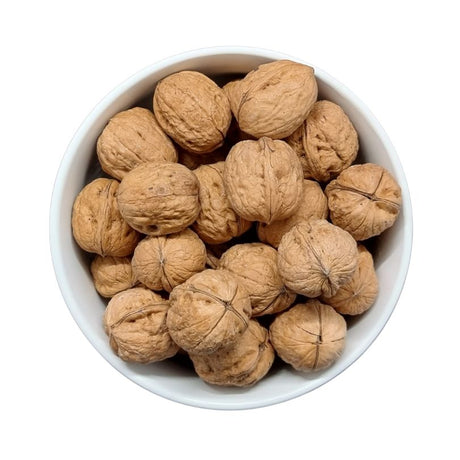
Leave the shell on when your bird can manage it. Cracking a nut open is half the point. A bird that has to work for a Walnut gets far more out of it than one simply handed the kernel. Our nuts are sold in the shell for exactly that reason.
Match the shell to the beak. Macaws and Black Cockatoos can tackle much harder shells, while Galahs and Corellas generally do well with easier options such as Almonds, Peanuts and Pecans. For Cockatiels and Budgies, most nuts in the shell are beyond them, so offer small pieces of kernel instead.
Crack it partly if they're new to it. Some birds don't immediately work out that there's food inside. A small crack in the shell can be enough to get them started.
Use nuts for training. A small piece of Walnut makes a very useful reward. Break it into little pieces so one training session doesn't accidentally turn into a pile of nuts.
Make seeds into work. Scatter them through a foraging tray, hide them in shreddable material or use a foraging toy rather than always serving them in a bowl. Most birds will happily spend far longer working for food they could have eaten in minutes.
Safe Nuts for Birds: A to Z
Acai Palm Nut
Acai Palm Nuts can be offered whole to larger parrots that can manage the hard outer shell. They provide plenty of work before the bird reaches what's inside.
Almond
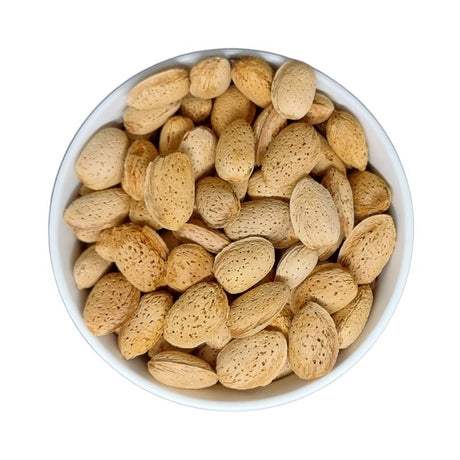
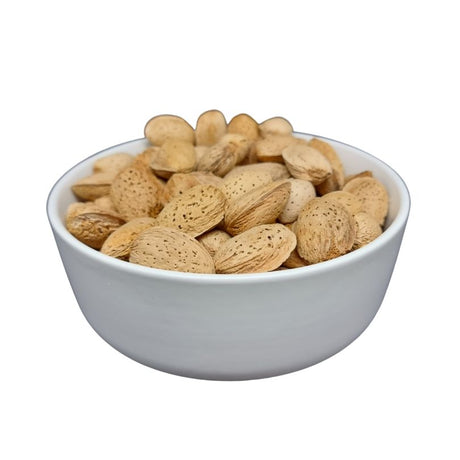
Almonds are a good option for medium parrots, as the shell is firm without being impossible for a capable beak. Almonds in the shell give Galahs, Corellas and Conures something to work at. Offer them plain and unsalted.
Brazil Nut
Brazil Nuts are large, very rich and have a tough shell that suits bigger beaks. They're better treated as an occasional extra, particularly for smaller parrots.
Bunya Nut
Bunya Nuts come from the Australian Bunya Pine. The large kernel can be offered in small pieces as an occasional extra once prepared for eating.
Cashew
Plain, unsalted Cashews can be offered in small pieces. They're sold without the shell, so there's not much foraging involved, which makes them particularly useful as a training reward.
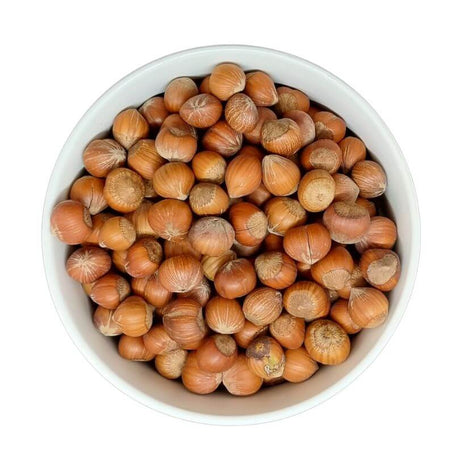
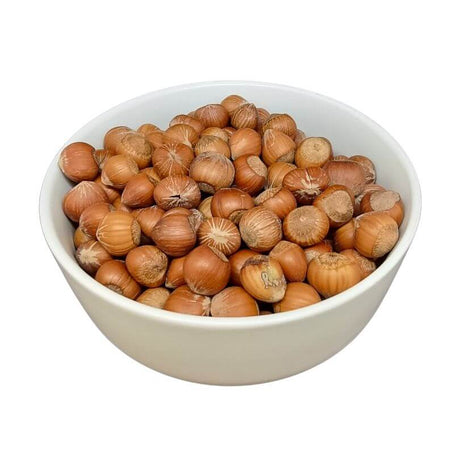
Hazelnut
Hazelnuts are a good middle-sized option with a shell many medium and large parrots can manage. Hazelnuts in the shell are a solid choice for a bird that enjoys a challenge.
Macadamia
Macadamias have one of the hardest shells going, which makes them a genuine test for a large parrot. They're also extremely rich, so a little goes a long way.
Pecan
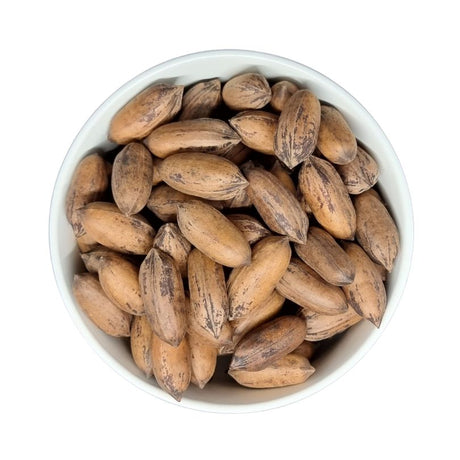
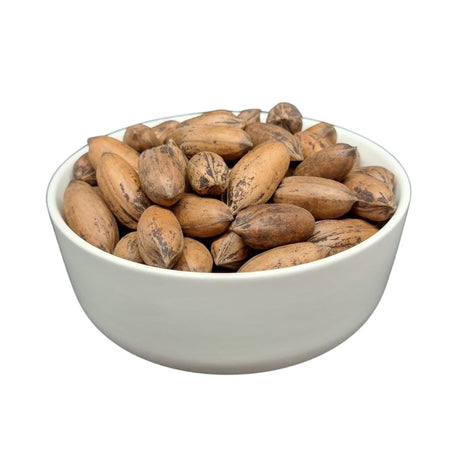
Pecans have a thinner shell than many other nuts, which can make them a good introduction for a bird learning to crack nuts. Pecans in the shell suit Galahs, Corellas and larger parrots alike.
Pine Nut
Pine Nuts are small, soft and easy to portion, making them a useful option for smaller birds that can't manage a nut in the shell.
Pistachio
Pistachios can be offered plain and unsalted, with the shell on. The naturally part-open shell makes them relatively easy for birds to get into. Avoid salted, seasoned or oil-roasted Pistachios sold as human snacks.
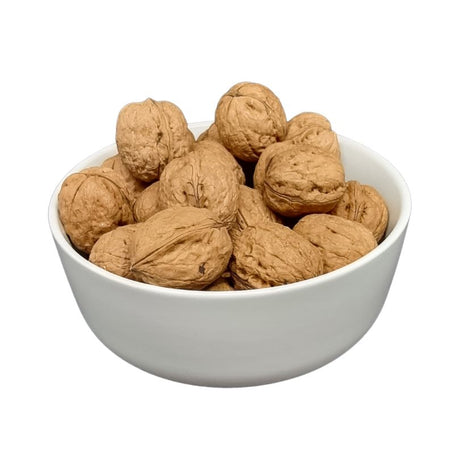
Walnut
Walnuts are the classic parrot nut. The shell takes real effort, the kernel is worth having, and most birds love them. Walnuts in the shell are hard to beat for keeping a larger parrot busy.
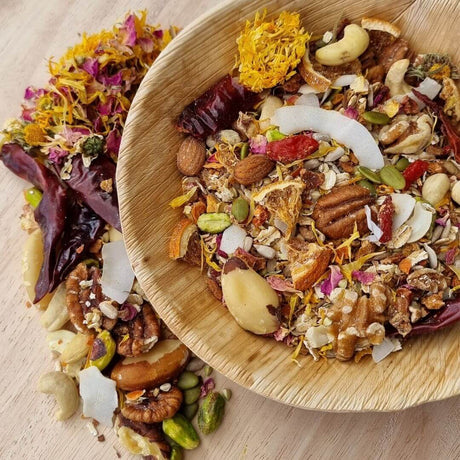
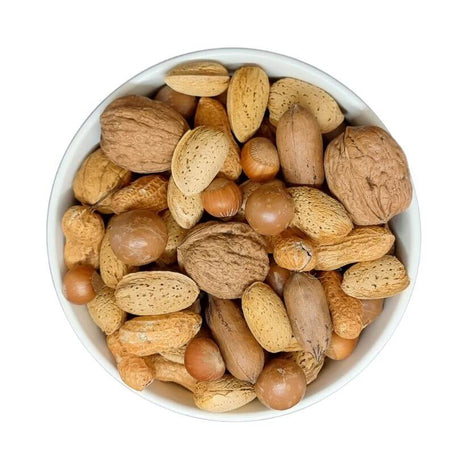
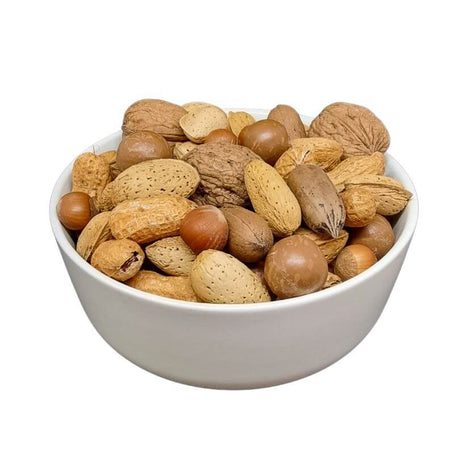
If you'd rather not pick, our Mixed Nuts gives your bird a mix of different shells and sizes in one bag.
Peanuts: Roasted Is the Safer Choice
Peanuts deserve their own section because there's one thing worth knowing.
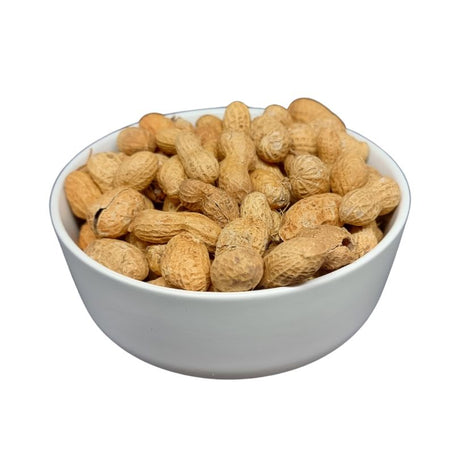
We recommend roasted peanuts rather than raw. Raw peanuts have a greater risk of aflatoxin contamination, so roasted peanuts are the safer choice for birds. Good storage still matters, and anything that looks or smells mouldy should be thrown out.
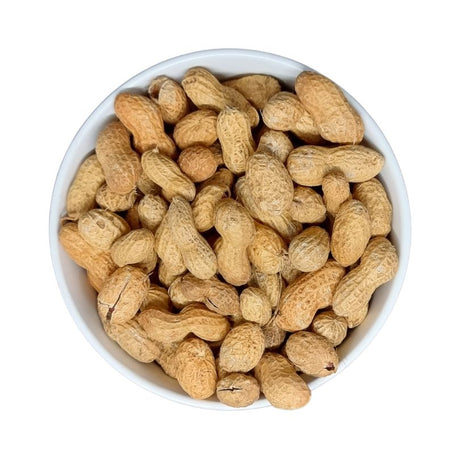
Peanuts are also useful from an enrichment point of view. The shell is manageable for Galahs, Corellas and many medium parrots, and they're popular with plenty of birds. Our Peanuts in the shell are roasted and ready to offer.
Store them dry and sealed, and throw out anything that looks discoloured, shrivelled or smells musty. The same rule applies to any nut or seed. Our article on protecting your bird from mould covers what to watch for.
Safe Seeds and Grains
Everyday Seeds
These are some of the seeds commonly found in Australian bird blends:
- Canary Seed — a staple in many small bird mixes.
- Japanese Millet — small and commonly used in blends for smaller birds.
- Panicum — popular in Budgie and Finch mixes.
- Panorama — commonly used in Australian small bird blends.
- Shirohie Millet — another everyday millet found in many mixes.
- White French Millet — one of the classic small bird seeds.
- Niger — a tiny, oil-rich seed commonly used in Finch mixes.
- Safflower — a larger seed used in many parrot blends and often chosen as an alternative to Sunflower.
- Chia — tiny and usually offered as one part of a wider mix rather than on its own.
- Hemp — a richer seed often used in blends and treat mixes.
Why the Blend Matters More Than the Seed
Here's the thing most seed lists skip over: no single seed is really the point. What matters is the mix and the proportions.
A Budgie and a Macaw may both eat seed, but the blends that suit them look very different. Smaller birds generally need smaller seeds they can easily hull, while larger parrots can manage bigger grains, seeds and nuts. Birds prone to putting on weight, Galahs being the obvious example, generally do better when the richer ingredients are kept under control rather than allowing them to pick out favourites all day.
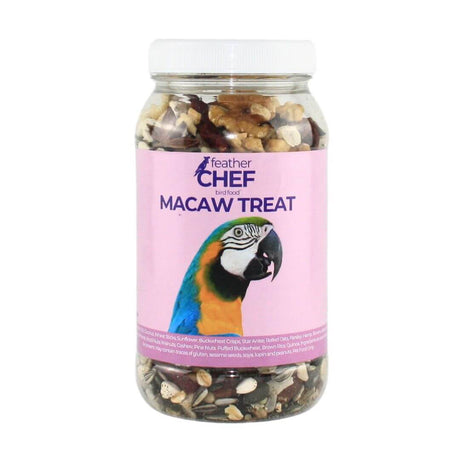
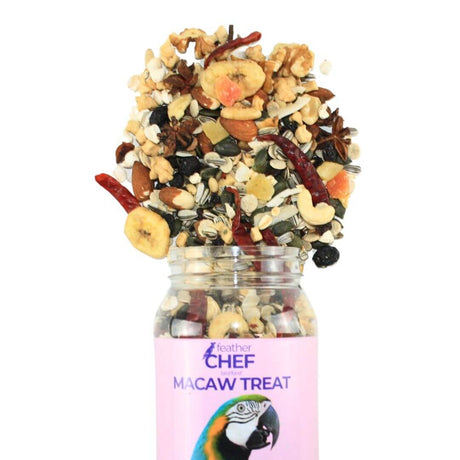
It's worth choosing a blend made with your bird's species and size in mind rather than automatically reaching for a generic parrot mix. Our seed blends are grouped that way, and the Feather Chef treat range does the same for treats, which is especially useful if you've got a smaller bird that can't manage a nut in the shell.
Sunflower
Sunflower gets its own mention because it's the seed most often overdone. Birds love it, it's rich, and given the choice many will pick it out before touching anything else.
Sunflower itself isn't the problem. The issue is quantity and selective eating. A bird that constantly picks the Sunflower out and leaves everything else can quietly turn a varied blend into a very repetitive diet.
If that's what's happening in your house, there are blends made without Sunflower at all, which takes the decision away from the bird.
Growing Your Own
Microgreens are seeds taken one step further than sprouting. You grow them for a week or two until they've developed little leaves, then cut them fresh.
They're a handy way to introduce something green using food your bird may already recognise. They also cost very little once you're set up. A Raw for Birds Bird Microgreens Grow Kit is an easy way to try it, with Broccoli, Radish, Kale and Mixed Greens to choose from.
Other Seeds
- Alexandra Palm Seeds — eaten by several Australian bird species.
- Alfalfa — commonly used for sprouting rather than offered dry.
- Sesame — small and easy to mix through other foods.
Grains
These are generally offered cooked, soaked or sprouted rather than simply tipped into the bowl dry:
- Barley — works well soaked or cooked.
- Buckwheat — commonly sprouted, while toasted Buckwheat also appears in bird treat mixes.
- Oats — offer plain, cooked or soaked.
- Quinoa — rinse thoroughly and cook before offering.
- Rye — commonly soaked or sprouted.
Soaking and sprouting change seed considerably and are worth learning if you want to get more variety out of what's already in the cupboard. Our guide to soaking seed and guide to sprouting seed cover both.
Nuts and Seeds to Avoid
- Raw peanuts. We recommend roasted peanuts as the safer choice because raw peanuts carry a greater risk of aflatoxin contamination.
- Salted, oil-roasted or flavoured nuts. Added salt, oils, seasonings and coatings aren't something your bird needs. Stick with plain, unsalted nuts.
- Anything mouldy, musty or discoloured. If nuts or seeds look or smell off, bin them.
For a bigger reference covering fruit, vegetables and other foods, see our complete list of 200 safe and toxic foods for pet birds.
Storing Nuts and Seeds
Nuts and seeds both go off, and in a Queensland summer they can deteriorate faster than most people expect. Heat and humidity are the enemy, and mould is one of the main things you're trying to prevent.
Keep them sealed somewhere cool and dry, out of direct sun. Buy quantities you'll actually get through rather than storing a year's supply, and check for musty smells before serving anything that's been open for a while.
Our guide to storing bird seed in Australia goes through this properly, including keeping pests out.
Frequently Asked Questions
Can birds eat raw nuts?
Most plain nuts can be offered without added salt, seasoning or coatings. Peanuts are the exception we'd treat differently, with roasted peanuts being the safer choice because raw peanuts carry a greater risk of aflatoxin contamination.
Can birds eat salted nuts?
No. Salted nuts shouldn't be offered to birds. The same goes for nuts coated in oils, honey, flavourings or seasonings. Keep them plain and unsalted.
How many nuts can my bird have?
There isn't one amount that works for every bird. It depends on species, size, activity, the type of nut and what else is being eaten. Larger parrots generally have more room for nuts in their diet than smaller birds, while species prone to weight gain, including Galahs, need richer foods portioned more carefully. If you're unsure what's appropriate for your bird, speak with an avian veterinarian.
Can birds eat peanut butter?
Most commercial Peanut Butter contains added salt, sugar, oils or other ingredients, so we'd leave it out. A plain roasted Peanut gives your bird something to eat and something to open without all the extras.
Is Sunflower seed bad for birds?
No. The issue with Sunflower is quantity rather than the seed itself. Many birds will pick it out in preference to everything else, so it works better as part of a varied blend than something offered on its own.
Can Budgies and Cockatiels eat nuts?
Yes, in appropriately small portions. Most whole nut shells are beyond a Budgie or Cockatiel, so small pieces of kernel are much more practical. Pine Nuts are another easy option for smaller birds.