
Plenty of pet birds in Australia start on seed and stay on it, and the reason is rarely that the owner is against pellets. It is doubt about whether the first bag will be eaten or wasted.
Rather than another step by step conversion guide, we have answered the questions we get asked at the counter, using what customers with birds of their own have reported back.
Jump to Will my bird eat them?, What if my bird refuses?, How long it takes, Seed and fresh food, Does size matter? or Common questions.

Will my bird actually eat them?
This is the question behind almost every other one, and it is a fair worry. A bird that has eaten the same seed for years may not immediately recognise a pellet as food.
What we can tell you is what owners report after they try. Across our pellet range, reviews come from owners of Budgies, Canaries, Finches, Parrotlets, Lovebirds, Cockatiels, Quakers, Conures, Caiques, Indian Ringnecks, Alexandrines, Galahs, Cockatoos, Eclectus, African Greys, Amazons, King Parrots, Lorikeets and Macaws. The fussy birds are the useful examples because they are the ones worried owners tend to recognise.
"My Cockatoo, Cassidy, who is 32 years old, is a fussy eater. He actually loves these pellets which is a win win!"
Rosalie K., on Harrison's High Potency Coarse
A 32 year old bird has a lot of habit behind it. It is no guarantee that another bird will accept the same pellet, but it is a useful reminder that an older, fussy bird is not automatically a lost cause.
"Our Indian Ringneck is very fussy on what pellets she will eat but loves these."
Tania B., on Vetafarm Nutriblend Small
Another customer described the exact problem many owners fear, birds eating around the pellets and leaving them behind. After trying several brands, she found one her birds would eat.
"I've tried a few brands of pellets and all my birds usually eat around it but they have been eating these pellets and I'm very pleased so they arnt eating as much seed."
Piper L., Cockatiels and Conures, on Harrison's Adult Lifetime Super Fine
What if I buy a bag and my bird refuses it?
Some birds do refuse the first pellet they are offered. We are not going to pretend otherwise, and the honest reviews are the ones worth reading before you spend anything.
"I have a trauma bird and he seems to like them. He isn't a huge fan, but is ok the have them mixed with his MD pelets."
Debbie A., on Vetafarm B-Calm
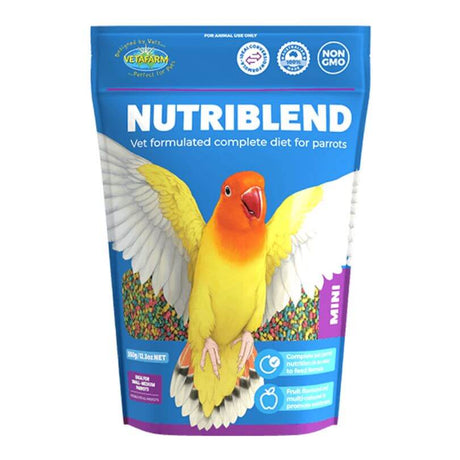
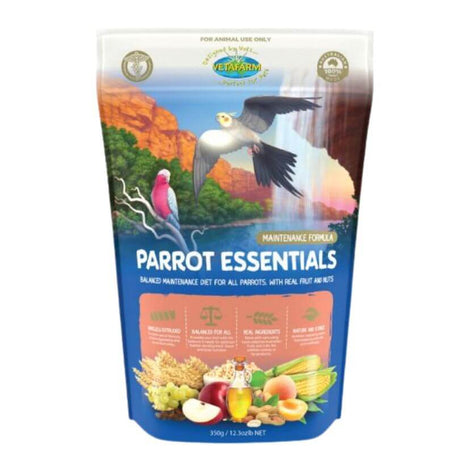
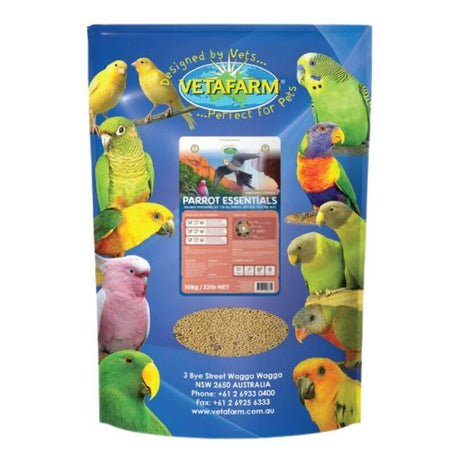
That is a partial result rather than a perfect one. The practical answer is to make the first test inexpensive. Buy the smallest suitable bag instead of committing to a large amount of something your bird has never seen. The Vetafarm Nutriblend Mini, Nutriblend Small and Parrot Essentials all come in a 350g bag, and the Australian made Parrot Deli Maintenance Pellet comes in a one kilogram size. A small bag costs less than a takeaway, so if it does not work out you have not lost much finding out.

Nutriblend Mini |

Nutriblend Small |

Parrot Essentials |

Parrot Deli Maintenance Pellet |
Four small bags to test with. The three Vetafarm options come in 350g, the Parrot Deli in one kilogram.
Pellets also vary in colour, texture and smell. One Tropican customer found the smell strong when the packet was first opened, while her Caique was still getting used to the food.
"My caique, is still getting used to it. I mixed it in with the caique blend I buy from Queenslander aviary's. Very strong smell when you first open the packet."
Kate S., Caique and Conures, on Tropican Lifetime Formula 2mm
How long does it take?
Usually longer than owners hope. Trying for a few days, seeing untouched pellets and deciding the bird will never eat them can end an attempt before the bird has had much time to adjust.
Our customer reviews describe everything from a fairly quick change to a slow process, and birds in the same home do not always move at the same pace.
"Turned my cockatiel from seed too Harrison's was slow . But he loves it now"
Steven Z., on Harrison's High Potency Fine
"My 2 eclectus love them but my African grey takes longer."
Tanya K., Eclectus and African Grey, on Harrison's Adult Lifetime Coarse
At the quicker end, one Galah owner said the change did not take long.
"My boy has gone from seed to these, it didn't take him long and now he loves them mixed in with other mixes I've also purchased, he has had so much energy"
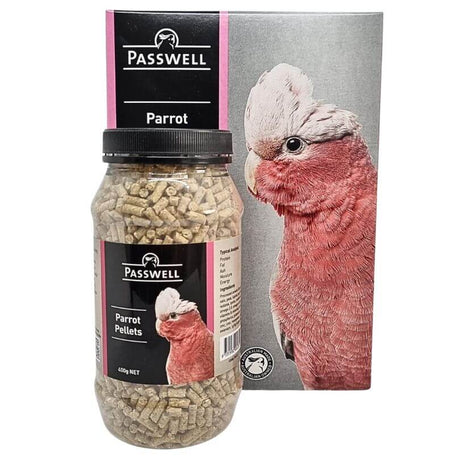
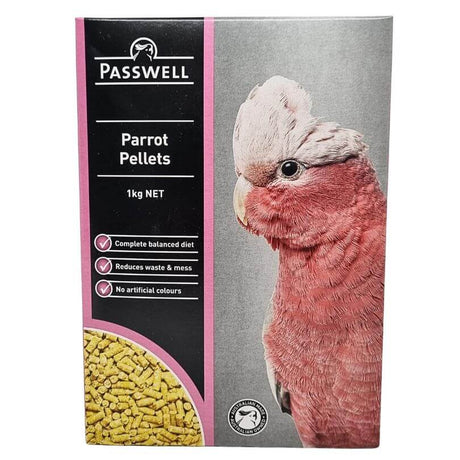
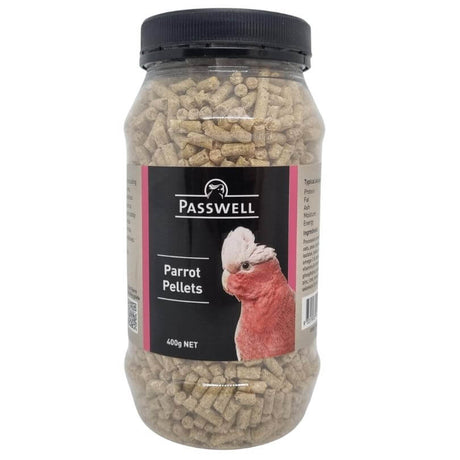
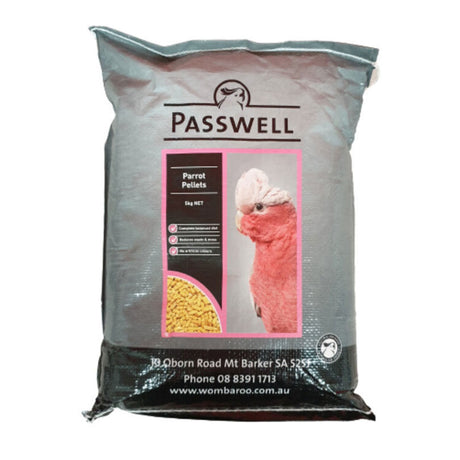
A. E., Galah, on Passwell Parrot Pellets
The most complete account we have came from an owner who described the whole change rather than just the first week of it.
"I gradually added it to their nutriblend mini. Over time I have phased out the nutriblend. Now they are just eating the B-Calm pellets, Raw seed for small parrots and fresh food... It takes time to see the results but I do believe my birds mental health has improved."
Adrianne H., Conure and Cockatiel, on Vetafarm B-Calm
These are single experiences rather than a guarantee. What they do show is that a bird still ignoring pellets on day four has not necessarily refused them for good.
Does my bird still get seed and fresh food?
Yes. "Switching to pellets" can sound as though everything else stops, but fresh food still has a place. For many parrots, pellets are used to replace part or much of the seed portion while vegetables, greens and occasional fruit remain in the diet. The right balance depends on the species, the individual bird and any advice from your avian vet.
"Its a good staple along with their chop and their seeds, and I think now that our girl is both molting and coming into egg laying age, they're perfect for her."
Christina S., Parrotlets, on Harrison's High Potency Fine
Some owners begin by mixing pellets through a familiar food. One Macaw owner found the pellets became the first thing selected from the bowl.
"Our macaw Mango loves Vetafarm Nutriblend. We mix it with his other food and he picks these pellets out first every time. Great size, no dust, and he's thriving on them."
Nathan, Macaw, on Vetafarm Nutriblend Large
Mixing can help a bird investigate the new food, but it also makes it harder to tell how much pellet is actually being eaten, which is why it helps to move towards separate dishes once the bird is familiar with them.
Lorikeets are different because they are nectar feeders. They need a diet designed for them, which may include a product such as Vetafarm Lorikeet Nectar Pellets alongside other appropriate foods. Our Lorikeet feeding guide explains where pellets sit alongside wet mix and fresh food.
Are pellets just processed filler?
Pellets are processed foods, but that does not mean every formula is the same or that the ingredients are there simply as filler. Read the ingredient list, nutritional analysis and feeding directions for the actual product rather than judging the whole category from the front of one bag.
Harrison's uses certified organic ingredients and is one of the higher priced options. The Australian made Parrot Deli Maintenance Pellet uses ingredients including wheat, lupin, soy and alfalfa, with added vitamins, trace minerals and amino acids. The Vetafarm range carries the line "Formulated by Avian Vets and used by us" on its own listings, which is the reason we stock it. Passwell and Tropican each have their own formulas and recommended uses. The useful comparison is not simply expensive against cheap. It is whether the formula, pellet size and feeding directions suit your bird.
One owner was specific about what she did and did not want in the bag, including a criticism of part of the range she buys.
"Theyre also the only pellets we want them to eat since they are both organic and cold pressed, and dont have nasty ingredients. Im not a fan of whats in the other pellets from this brand either, but these ones are great and our littles enjoy them."
Christina S., Parrotlets, on Harrison's High Potency Fine
Colour can also affect what an individual bird chooses from the bowl. One owner moved to an uncoloured option after finding that the blue pieces in another food were regularly left behind.
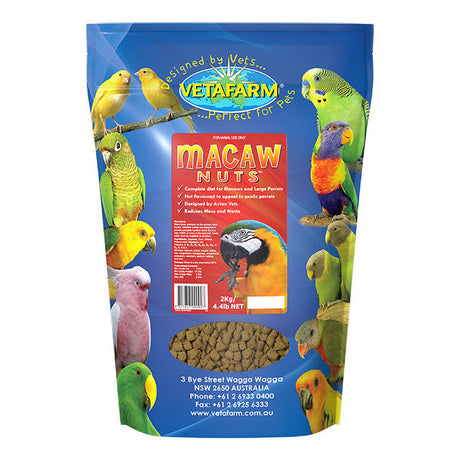
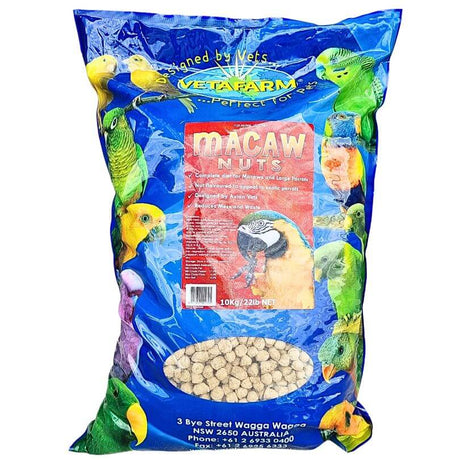
"my macaws love them . so much better than the coloured ones them had stopped eating the blue ones and they make up a large portion of them so reducing waste"
Robert T., five Macaws, on Vetafarm Macaw Nuts
Does the size of the pellet matter?
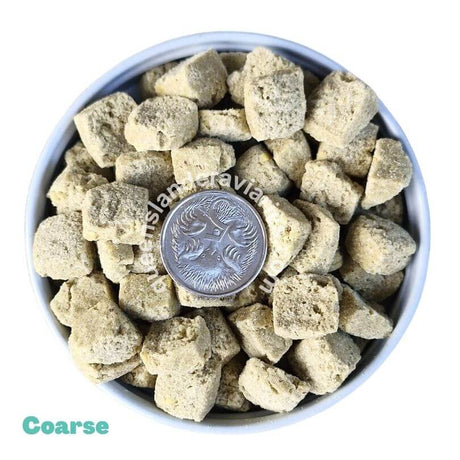
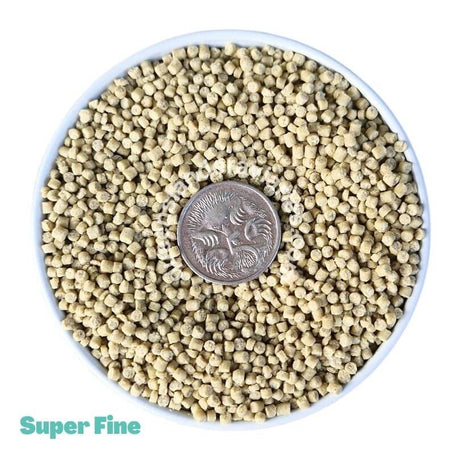
Very much. A suitable formula can still be a poor match if the pellet is awkward for the bird to handle. A pellet that is too large may be abandoned, while one that is too fine may be ignored or treated like dust.

Super Fine |

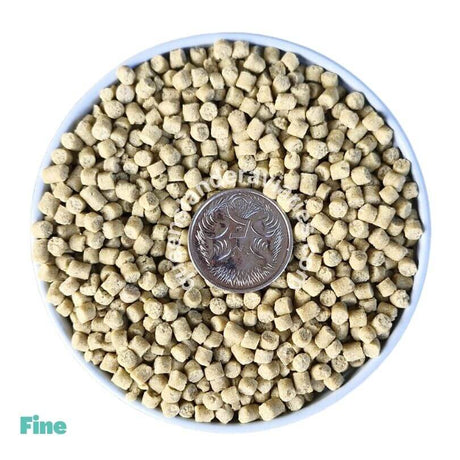
Fine |

Coarse |
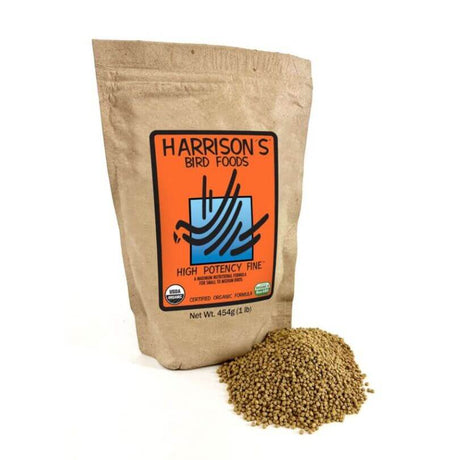
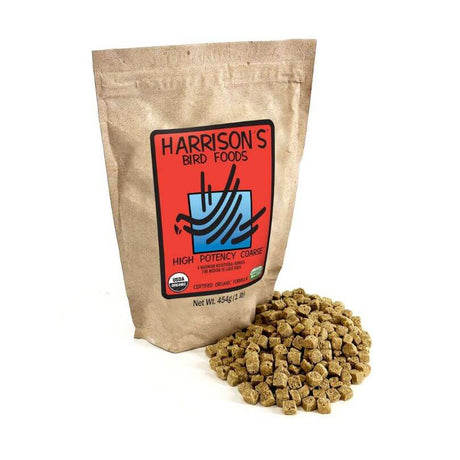
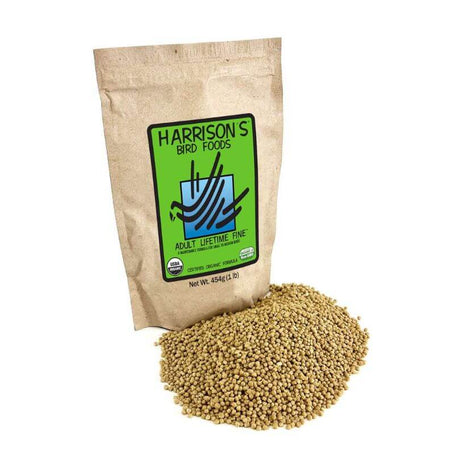
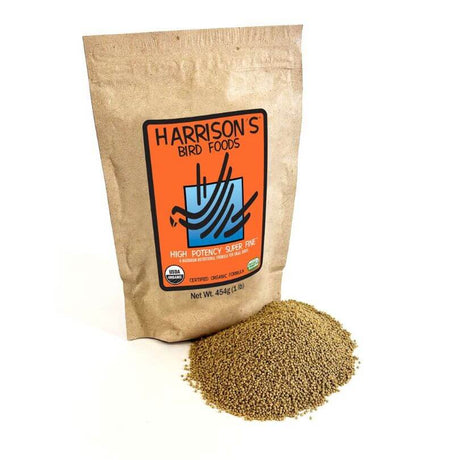
The three Harrison's sizes, Super Fine, Fine and Coarse.
Two reviews from the Harrison's range show the difference neatly. One owner rated Fine "Too big" for her Parrotlets and Super Fine "Perfect". An Indian Ringneck owner found Super Fine too small and planned to move up a size.
"They are a bit small for my ringneck's liking. Next will buy a bit bigger size."
Jolanta, Indian Ringneck, on Harrison's High Potency Super Fine
As a rough guide, Harrison's Super Fine suits very small birds such as Budgies, Canaries, Finches, Parrotlets and Lovebirds. Fine is generally chosen for birds such as Cockatiels, Conures, Quakers, Indian Ringnecks, Rosellas and Caiques, while Coarse is intended for larger parrots including Galahs, Cockatoos, Eclectus, African Greys, Amazons and Macaws. Our Harrison's guide explains the formulas and sizes in more detail.
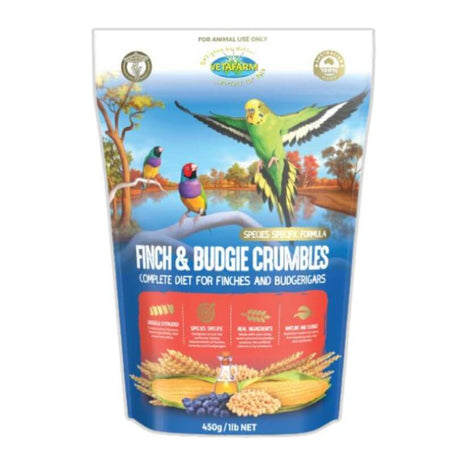
Vetafarm uses a different sizing system, so do not assume that "Mini" or "Small" matches the same word in another brand. Check the recommendation on the individual product page, and ask us if you are unsure. Finches and Budgies also have the Vetafarm Finch and Budgie Crumbles. Our Budgie feeding guide covers how pellets, seed and fresh food can fit together.
Is it actually worth the bother?
For many owners, the benefit is not a dramatic overnight change. It is knowing their bird is eating more than a narrow selection of favourite seeds and worrying less about what has been left in the bowl.
"My Cockatoo and Galah plus ringnecks love them. Nice to have that peice of mind that my birds are eating quality pellets."
Garry H., Galah, Sulphur Crested Cockatoo and Indian Ringnecks, on Vetafarm Parrot Essentials
Some owners first try pellets after speaking with a vet. This Passwell review is one example.
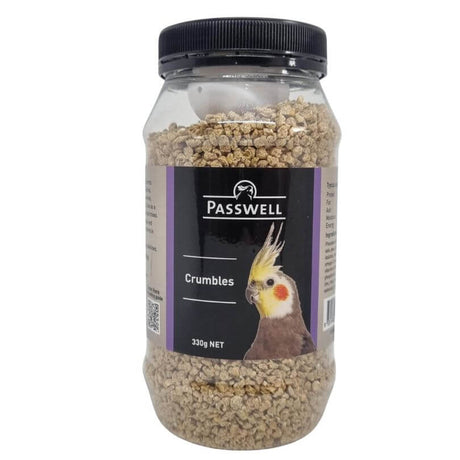
"My vet told me to use Passwell crumbles when one of my Cockatiels became ill."
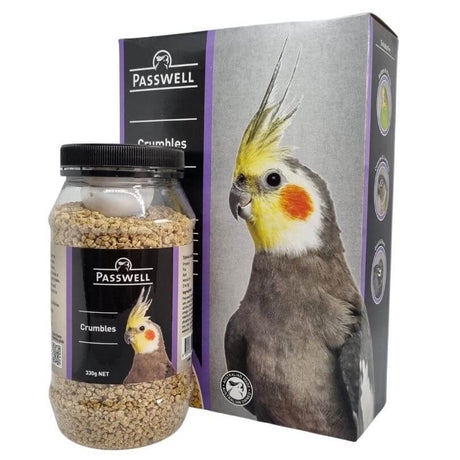
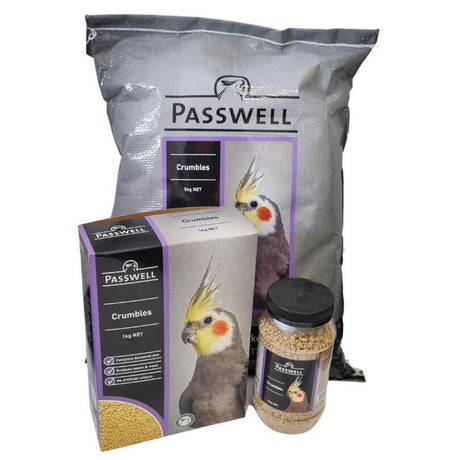
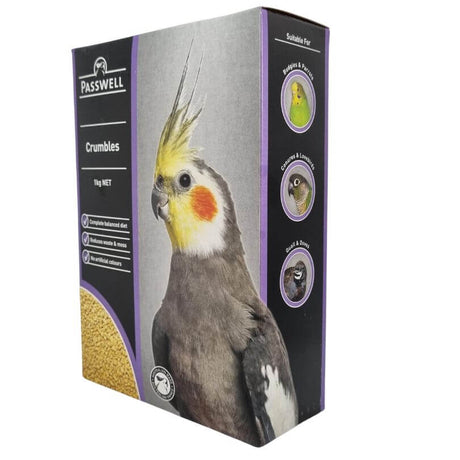
Jo-anne W., Cockatiels, on Passwell Small Bird Crumbles
Reviews can tell you whether individual birds ate a product and whether their owners were pleased with it. They cannot prove long term health outcomes or tell you exactly what your bird should eat. What is broadly accepted is that a seed only diet can leave nutritional gaps, and pellets are one practical way owners and avian vets address those gaps.
The least expensive way to find out where your bird lands is to start with a small, correctly sized bag. You can see the full range in our pellets collection. If you are unsure which size suits your bird, send us a message and tell us what you keep.
Common Pellet Questions
How long should I give it before deciding my bird will not eat pellets?
Think in weeks rather than days. Customer experiences range from a fairly quick change to a slow process, and birds in the same household can move at different speeds. Keep an eye on what your bird is actually eating rather than what is sitting in the bowl.
Can I mix pellets into my bird's usual seed?
Mixing can help introduce the new food, but it may be difficult to tell how much pellet is being eaten. If you are changing the diet, particularly for a health reason, ask an avian vet about the safest method for your bird.
Do pellets replace fresh food as well as seed?
No. For many parrots, pellets replace part or much of the seed portion while vegetables, greens and occasional fruit remain in the diet. The right balance depends on the species and the individual bird.
Which pellet size should I buy?
Match the size to the bird and check the guidance for the particular brand. Harrison's Super Fine is made for very small birds, Fine for small to medium parrots and Coarse for larger parrots. Other brands use different sizing systems, so the names are not directly interchangeable.
Do Lorikeets eat the same pellets as other parrots?
No. Lorikeets are nectar feeders and need a diet designed for them. Lorikeet specific pellets can be used as directed alongside other appropriate foods.
Are the more expensive pellets worth it?
It depends on the formula, ingredients and what suits your bird. A higher price does not matter if the size or formula is a poor match. Compare the label, feeding directions and available bag sizes rather than price alone.
What is the cheapest way to try pellets?
Buy the smallest suitable bag rather than a large one. Several Vetafarm options come in a 350g size, and the Australian made Parrot Deli Maintenance Pellet comes in a one kilogram bag. It is a small outlay to find out whether your bird will accept them.