
Lorikeets eat very differently to other parrots, and that catches a lot of new owners out.
These colourful little chaos machines have brush-tipped tongues made for lapping up nectar and pollen, rather than cracking their way through a bowl of seed. That means feeding a lorikeet looks quite different to feeding a Budgie, Cockatiel or Cockatoo.
Thankfully, it isn't complicated.
A good lorikeet diet starts with a quality lorikeet food, backed up with fresh fruit, vegetables and flowers, with a few interesting extras thrown in for variety.
This guide applies across the lorikeet and lory family, from Rainbow, Scaly-breasted, Musk and Red-collared Lorikeets to exotic species such as Chattering and Black Lories.
So, bowls ready. Here's what your lori can get stuck into.
The Foundation: Nectar and Lorikeet Mix
This is where most of your lorikeet's everyday nutrition comes from.
Commercial lorikeet foods are formulated specifically for nectar and pollen feeders, providing energy, protein, vitamins and minerals in a much more practical form than attempting to recreate a flowering gum tree in your living room.
And you've got choices.
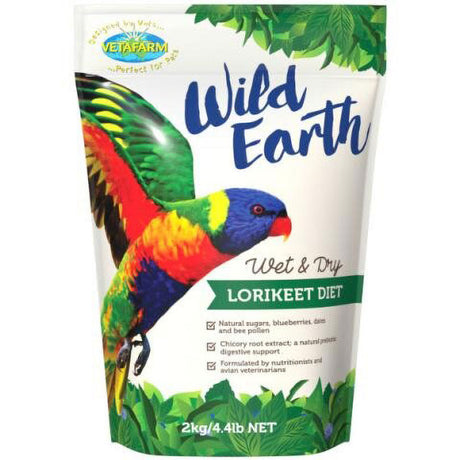
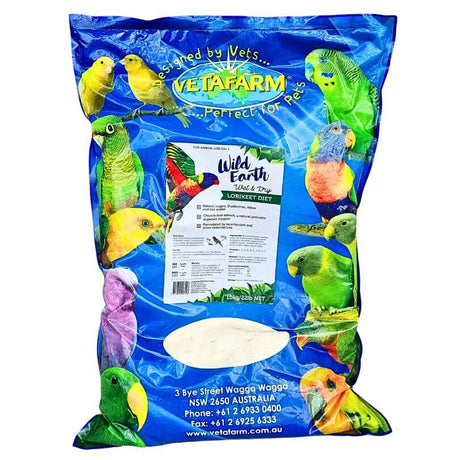
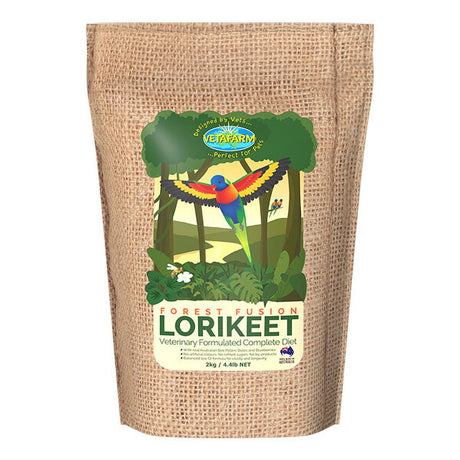
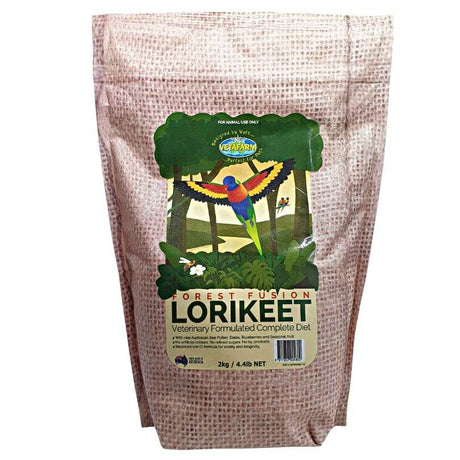
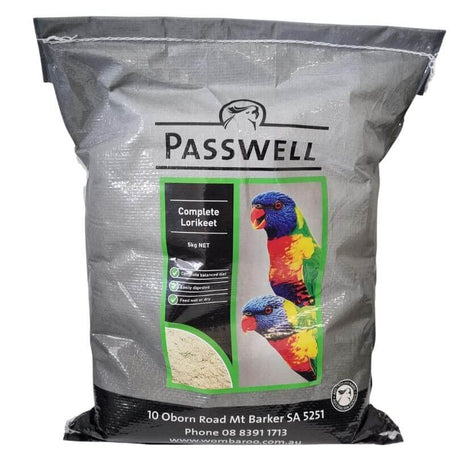
Passwell Complete Lorikeet Mix, Sheps Lori Dry Mix, ProBird Lorikeet Mix, Vetafarm Wild Earth Lorikeet Blend, Vetafarm Forest Fusion Lorikeet Blend and Wombaroo Lorikeet and Honeyeater Mix all give lorikeet owners different feeding options.
Some lorikeet foods are offered dry, some are prepared wet, and some can be fed either way.
That's why the important part isn't finding the fanciest bowl on the breakfast buffet. It's choosing a quality lorikeet food and following the feeding directions for that particular product.
Wet Mix Needs a Little More Attention
Lorikeets aren't exactly known for their table manners, and wet food needs a little more attention than dry food.
Prepare wet lorikeet food according to the directions on the pack, keep bowls clean and replace food promptly if it becomes dirty, contaminated or affected by hot weather.
Never pour today's fresh batch over the mysterious remains of breakfast.
Wash the bowl properly before refilling it too. A quick splash of water isn't enough when sugary wet food has been sitting in it.
Dry lorikeet food is generally easier to manage throughout the day, but again, follow the directions for the particular food you're using.
For a little extra variety, Raw for Birds Tropical Treat can be stirred through wet lorikeet food. It's a colourful blend of fruit and flowers and an easy way to make the bowl a little more interesting.
Where Does Blossom Nectar Fit?
Vetafarm Blossom Nectar gives nectar-feeding birds another way to enjoy the sweet stuff their tongues were designed for.
It can be offered as part of the diet alongside other appropriate foods, rather than being treated as a replacement for everything else your lorikeet eats.
It can also be used over other foods to encourage interest and add a different flavour to the bowl.
As with any lorikeet food, follow the manufacturer's preparation and feeding directions rather than assuming every nectar product is used the same way.
What About Lorikeet Pellets?
Yep, lorikeet pellets are a thing.
But we're talking about pellets specifically formulated for lorikeets, not simply swapping their lorikeet mix for an ordinary parrot pellet.
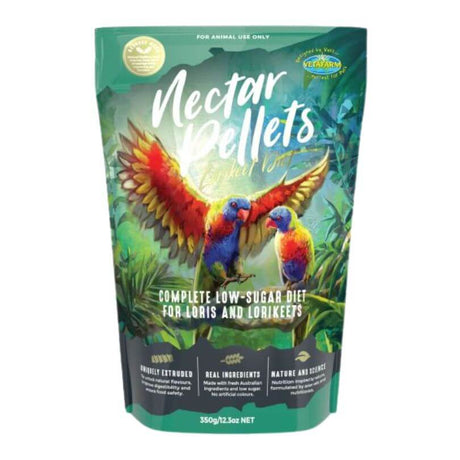
Vetafarm Lorikeet Nectar Pellets give lorikeet owners another way to provide balanced everyday nutrition without preparing wet mix every time.
Vetafarm developed them specifically for Lories, Lorikeets and other nectar-feeding birds. Because they're dry, they're convenient to measure, store and serve, with considerably less sticky bowl cleanup than traditional wet feeding.
Vetafarm's feeding guide recommends a diet of around 80% Nectar Pellets, 15% fresh fruit and vegetables and 5% treats.
The pellets also contain psyllium husk, which Vetafarm includes to help produce firmer droppings and reduce some of the mess lorikeet owners know all too well.
Some lorikeets take to pellets immediately.
Others look at you as though you've personally ruined breakfast.
If you're changing your bird onto a different feeding format, make the transition gradually and make sure they're actually eating the new food rather than simply rearranging it around the bowl.
Fresh Food: Bring On the Colour
This is where feeding a lorikeet gets fun.
Fruit and vegetables bring different colours, textures and flavours into the cage, so don't just chop everything into the same boring bowl every morning.
Apple, Pear, Grapes, Melon, Mango, Berries and plenty of other bird-friendly fruits can all be rotated through the week.
Vegetables and leafy greens deserve a spot too. Broccoli, Carrot, Capsicum and leafy greens can all add another hit of colour and texture.
Try different combinations and see what disappears first and what gets dramatically thrown onto the floor.
You can chop fresh food into a bowl, tuck pieces into toys or thread larger chunks onto a Stainless Steel Skewer, our pick for lorikeets since it's easy to keep clean and holds up well to a curious beak.
Our guides to bird-safe vegetables and bird-safe fruit have plenty more ideas, or check our 200 safe and toxic foods guide when you're unsure about a particular food.
Can Lorikeets Have Freeze-Dried Fruit and Vegetables?
They certainly can.
Freeze-dried fruit and vegetables are handy when fresh food isn't practical, particularly in foraging toys where a chunk of fresh mango isn't going to end particularly well.
They're lightweight, crunchy and easy to scatter through foraging trays or toys. Just remember that they're an addition to the diet rather than a replacement for your lorikeet's everyday lorikeet food.
Our Freeze-Dried collection covers everything from crunchy corn slices to seasonal veggie and fruit chop, so it's worth a browse if you want to add some crunch to the rotation.
Native Flowers: Now We're Talking
Give a lorikeet a flowering native branch and you'll quickly understand what that funny little brush tongue was designed for.
Bottlebrush, Grevillea, Banksia and Eucalyptus blossom can make fantastic natural browse for lorikeets. They get to climb through it, investigate it, chew it and work over the flowers for nectar and pollen.
It's food and enrichment rolled into one colourful branch.
Only collect plants that you can confidently identify and know haven't been exposed to pesticides, herbicides or other garden sprays. We also avoid collecting branches that wild birds have been feeding or roosting on.
Give fresh browse a rinse before offering it and replace it regularly rather than leaving an old branch hanging around until it becomes cage furniture.
No flowering gum tree conveniently growing outside?
Raw for Birds Floral Foraging Blend is a dried flower blend that can be scattered over food or added to foraging toys.
And if you'd rather grow something yourself, the Raw for Birds Bird Microgreens Grow Kit gives you fresh Broccoli, Kale, Radish or mixed microgreens to harvest at home.
Can Lorikeets Eat Soaked Seed and Sprouts?
Yes, as an extra.
This is where the blanket advice that "lorikeets can't eat seed" needs a little context.
A bowl full of hard, dry seed isn't an appropriate staple diet for a lorikeet. They're nectar and pollen specialists and should be fed accordingly.
Soaked and sprouted seed is different.
Soaking softens the seed, while sprouting begins the germination process and changes its texture. That makes soaked and sprouted seed a much more suitable occasional addition than simply putting dry seed in the cage.
Raw for Birds Petite Soaking Blend is a good option for smaller beaks, including lorikeets.
For mixed aviaries, Chunky Soaking Blend and Flock Soaking Blend give you some larger options.
Prefer sprouts? Raw for Birds Sprouting Blend and our Sprouting Jar make getting started easy.
We've also put together a full guide to soaking seed and guide to sprouting seed if you've never tried either before.
Can Lorikeets Eat Nuts?
Yes, but this is treat territory.
Lorikeets don't need a handful of nuts every morning. They're naturally high in fat, so think of them as an occasional extra for adding another flavour and texture to the diet.
Always remove the shell before offering nuts to a lorikeet.
Small pieces of shelled Almond, Walnut, Pecan or Hazelnut are plenty. Keep them plain and unsalted.
We stock Walnuts, Almonds, Pecans and Hazelnuts, but these are sold in shell, so remove the shell completely before giving them to your lorikeet.
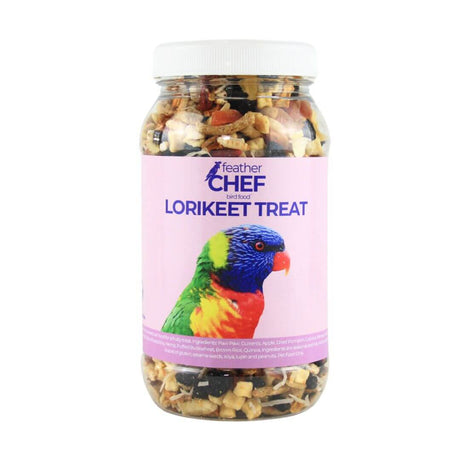
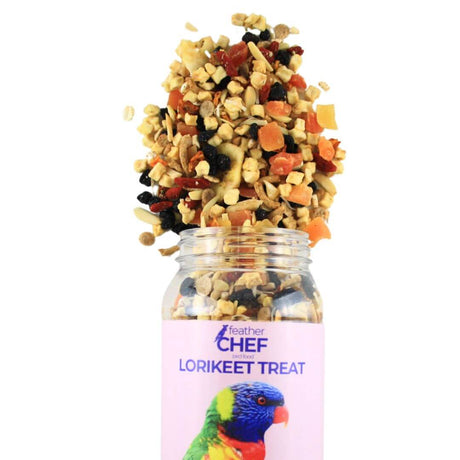
Treat blends such as Fruit and Nut Treat, Royal Nut Treat and Aketi's Forage Treat can also bring different textures into a foraging tray, but treats should stay exactly that: treats.
What Does a Lorikeet Eat in a Day?
There isn't one perfect menu for every lorikeet, but the routine doesn't need to be complicated.
Start with the recommended amount of your chosen commercial lorikeet food, prepared according to its feeding directions.
Add fresh fruit, vegetables, greens or flowers for variety throughout the week. Soaked seed, sprouts, freeze-dried produce and small pieces of shelled nuts can then rotate through as extras rather than all appearing in the bowl every single day.
If you're feeding wet food, prepare and replace it according to the manufacturer's directions and don't leave contaminated or spoiled food sitting around. Fresh produce shouldn't be left sitting around indefinitely either, particularly on a hot day.
And always provide clean, fresh drinking water.
That's really the trick: good lorikeet food first, plenty of fresh variety second, fun extras after that.
Your lorikeet will handle the throwing-food-at-the-wall part.
What Shouldn't Lorikeets Eat?
Lorikeets may be enthusiastic taste testers, but that doesn't mean everything gets a turn.
Avoid foods known to be unsuitable or toxic to birds, including Avocado, Chocolate, Caffeine and Alcohol.
Don't use bread, honey water or homemade sugary concoctions as replacements for properly formulated lorikeet food either.
If you're ever standing in the kitchen holding something and thinking, Can the bird have this?, check our 200 safe and toxic foods guide first.
Common Lorikeet Feeding Questions
What is the best food for a lorikeet?
A properly formulated lorikeet food should form the foundation of the diet. The exact feeding routine depends on the product, as lorikeet foods can come as dry mixes, wet mixes, nectar foods or specially formulated pellets. Follow the feeding directions for the particular food you choose and add fresh produce and other extras alongside it.
Can lorikeets eat nuts?
Yes, occasionally. Nuts should always be shelled before being offered to a lorikeet, as well as plain and unsalted. A small piece of Almond, Walnut, Pecan or Hazelnut is plenty.
Can lorikeets eat pellets?
Yes, provided they're a food specifically formulated for lorikeets. Lorikeet nectar pellets are quite different from simply giving your bird ordinary parrot pellets. Follow the feeding directions for the particular product you're using.
Can lorikeets eat dry lorikeet mix?
Yes. Some commercial lorikeet foods are specifically designed to be offered dry, while others are prepared with water and some can be fed either way. Follow the directions on the pack rather than assuming lorikeet food always needs to be wet.
Can lorikeets eat sprouts or soaked seed?
Yes, as an extra. Soaking softens seed and sprouting begins germination, making them quite different from offering a bowl of hard, dry seed.
Do lorikeets eat normal bird seed?
Dry seed shouldn't form the basis of a lorikeet's diet. Lorikeets are specialised nectar and pollen feeders, so a properly formulated lorikeet food should take priority.
Can lorikeets eat fruit every day?
Bird-friendly fruit can form part of the fresh variety offered to lorikeets. Rotate different fruits alongside vegetables, greens and other fresh foods rather than serving the exact same favourites every day.
Can lorikeets have honey or honey water?
Don't use honey water as a replacement for commercial lorikeet food. A properly formulated lorikeet food provides far more than sweetness alone and is designed around the nutritional needs of nectar-feeding birds.
Can lorikeets eat bread?
Bread isn't an appropriate replacement for lorikeet food and isn't something we'd deliberately add to their regular diet. There are much better options for both everyday feeding and treats.
Do lorikeets still need drinking water if they eat wet mix?
Absolutely. Clean, fresh drinking water should always be available regardless of whether your lorikeet eats wet mix, dry mix or pellets.
How often should I feed my lorikeet?
Follow the feeding directions for your chosen lorikeet food and provide fresh food regularly. Wet foods usually need more attention than dry foods, particularly in hot weather, so keep bowls clean and replace food whenever necessary.
How much should I feed my lorikeet?
Start with the manufacturer's directions for your chosen food rather than using one amount for every bird. The right quantity can vary with the product, species, size, activity level and what else your bird is eating.
Why are my lorikeet's droppings so watery?
Lorikeets naturally consume a moisture-rich diet, so their droppings are generally much wetter than those of seed- or pellet-eating parrots.
What matters is knowing what's normal for your bird. A sudden or persistent unexplained change in droppings, appetite or behaviour is different and is something we'd recommend discussing with an avian vet.
Can lorikeets eat freeze-dried fruit and vegetables?
Yes. Freeze-dried fruit and vegetables can add different flavours and crunchy textures and are particularly useful in foraging toys where fresh produce would be messy or impractical.
Can I feed my lorikeet native flowers from the garden?
Yes, provided you can confidently identify the plant and know it hasn't been treated with pesticides, herbicides or other garden chemicals. Avoid collecting branches that wild birds have been feeding or roosting on, rinse them before offering and replace them regularly.
Can I feed wild lorikeets in my backyard?
We prefer encouraging wild lorikeets naturally with flowering native plants and fresh water rather than creating a regular feeding station.
Advice on feeding wildlife can vary between areas, so check your local guidance if you're considering it. If food is offered, hygiene is particularly important and wild birds should still be relying primarily on their natural food sources.
Keep It Colourful
Feeding a lorikeet should be a little bit messy.
These birds are built to explore flowers, lick, chew, climb, forage and somehow flick food considerably further than seems physically possible.
Give them a quality lorikeet food as their nutritional foundation, rotate through plenty of fresh bird-friendly foods and native browse, and use things like sprouts, soaked seed, freeze-dried produce and shelled nuts to keep life interesting.
You provide the variety.
Your lorikeet will provide the chaos.