
Fruit is the part of a bird's diet that comes with a catch.
Most birds love it. Offer a piece of Mango to a bird that has turned its beak up at every vegetable you've tried, and suddenly you've got their full attention. That enthusiasm is useful, but it's also the reason fruit needs a little more thought than vegetables do.
Fruit is sweet, and sweet things are easy to overdo.
Here's a full list of fruits you can offer, the ones we'd leave off the menu, what to do about seeds and pits, and how to fit fruit into the bowl without it taking over.
Just looking for the list? Jump straight to Safe Fruit for Birds A to Z, Seeds and Pits or Fruit and Foods to Avoid.
Where Fruit Fits in Your Bird's Diet
Fruit works best as part of the mix rather than the main event.
It's a great way to add variety, colour and something a bird actually looks forward to. It's also handy for getting a suspicious bird interested in fresh food at all, since a piece of Banana or Mango is a much easier sell than a floret of Broccoli.
The catch is the sugar. Fruit is naturally sweet, and a bird that fills up on fruit has less room for the vegetables, greens and other foods doing the heavier lifting. Some birds will also start picking fruit out of a mix and leaving everything else behind.
We'd generally offer fruit in smaller amounts than vegetables, and mix it through rather than serving it on its own. If you're building a fresh food routine from scratch, our guide to safe vegetables for birds is the better place to start, with fruit added on top.
How to Prepare Fruit for Your Bird
Give everything a good wash. Rinse fresh fruit thoroughly before offering it, even if you're buying organic.
Remove seeds and pits where needed. Some need to come out before the fruit is offered, while many small fruit seeds are fine. There's a full explanation below.
Try different shapes and sizes. Chopped isn't always better. Half a Strawberry, a wedge of Apple or a whole Grape gives your bird something to hold and work at. Smaller birds often do better with fruit chopped small or grated through other food.
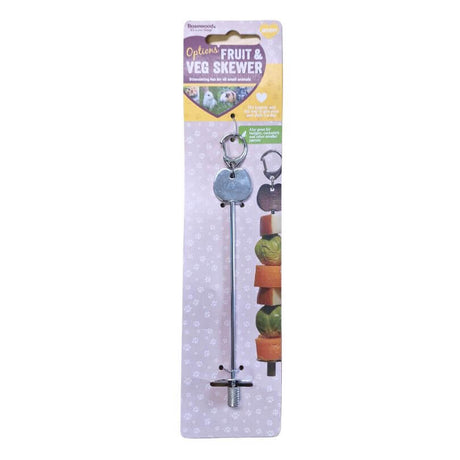
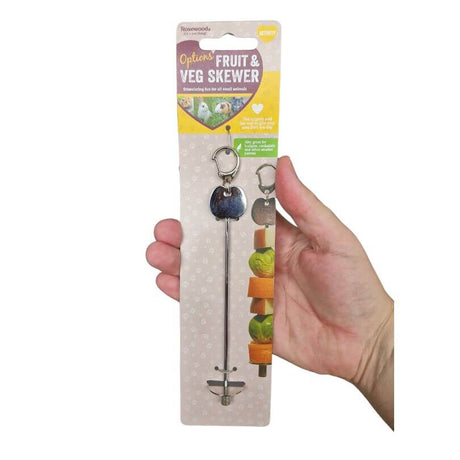
Turn it into something to do. Fruit doesn't have to arrive in a bowl. Thread pieces onto a Fruit and Veggie Skewer, clip a wedge to the cage bars or tuck small pieces into a foraging toy.
Don't leave it sitting around. Fruit spoils quickly, especially in warm weather. Remove what hasn't been eaten after a couple of hours.
Safe Fruit for Birds: A to Z
Apple
Apple can be offered raw with the skin on after a good wash. Slice it into wedges, cut it into smaller pieces or offer a chunk for your bird to hold and work at. Remove the seeds first.
Apricot
Fresh Apricot can be offered halved or chopped, with the stone removed. Dried Apricot is a different matter, as it's often treated with sulphite preservatives, so check the packet first.
Banana
Banana is one of the easiest fruits to get a reluctant bird interested in. Offer small pieces, mash a little through other food, or leave a section in the peel for your bird to open themselves. If you're leaving the peel on, give the outside a good wash first.
Blackberry
Blackberries can be offered whole or halved. They're an easy size for most birds to pick up, and they'll stain everything they touch, which is worth knowing before it happens.
Blood Orange
Blood Orange can be offered in segments or wedges, with some peel left attached if your bird enjoys pulling it apart.
Blueberry
Blueberries are a great size for smaller birds and can be offered whole. They're also easy to scatter through a foraging tray or mix through fresh food.
Boysenberry
Boysenberries can be offered whole or halved, much like Blackberries or Raspberries.
Cherry
Cherry flesh can be offered fresh, but the stone needs to be removed first. Halve them and take the pit out before serving.
Coconut
Fresh Coconut can be offered in small pieces, and a section of shell with flesh still attached makes an excellent foraging job for larger birds. Coconut is richer than most fruits, so a little goes a long way. Offer it plain, without added sugar.
Cranberry
Fresh Cranberries can be offered whole or halved. They're quite tart, so don't be surprised if it takes a few introductions. Dried Cranberries are often sweetened, so check the packet.
Custard Apple
Custard Apple flesh can be offered with the seeds removed. It's soft and sweet, so a small amount goes a long way.
Dates
Dates can be offered in small pieces with the pit removed. They're very sweet and concentrated, so they're better treated as an occasional extra rather than an everyday fruit.
Desert Lime
Desert Lime is an Australian native citrus and can be offered whole or halved. Small, tart and something a little different for birds that enjoy exploring new foods.
Dragon Fruit
Dragon Fruit can be offered halved or in chunks. The soft flesh and tiny seeds can both be eaten, and the colour alone is often enough to get a curious bird interested.
Durian
Durian flesh can be offered in small amounts with the seed removed. Distinctive, to put it politely.
Feijoa
Feijoa can be offered halved so your bird can scoop out the flesh, or chopped through other fresh food.
Fig
Fresh Figs can be offered halved or quartered. They're soft, sweet and easy for most birds to manage. Dried Figs are much more concentrated, so use them sparingly.
Finger Lime
Finger Lime is an Australian native and can be offered halved, letting your bird pick out the little citrus pearls. It's a genuinely interesting texture for a curious bird.
Goji Berries
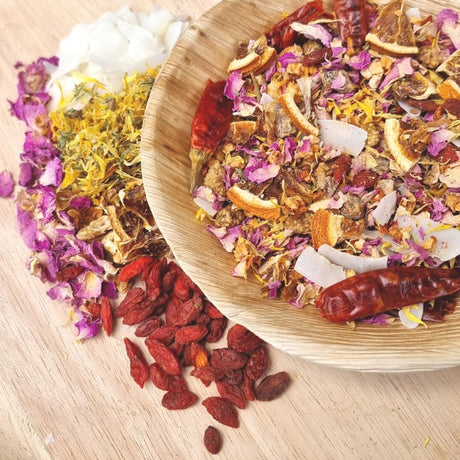
Goji Berries are usually sold dried and can be offered in small amounts. Check the packet for added sugar or preservatives.
Grapes
Grapes can be offered whole for larger birds or halved for smaller ones. They're very popular and very sweet, so they're one to portion carefully. Give them a good wash before serving.
Honeydew Melon
Honeydew can be offered in chunks or wedges, with some rind left attached if your bird enjoys holding and working at their food.
Jaboticaba
Jaboticaba can be offered whole. The thicker skin gives birds something to work through before they reach the flesh.
Jackfruit
Jackfruit flesh can be offered in small pieces or larger chunks for your bird to hold. Remove the seeds before serving.
Kiwifruit
Kiwifruit can be offered halved so your bird can scoop out the flesh, or sliced into rounds or smaller pieces.
Kumquat
Kumquats can be offered whole, peel and all. Their small size also makes them easy for many birds to hold and pull apart.
Lemon
Lemon can be offered as a small wedge or slice. Whether your bird actually agrees that Lemon counts as food is another question.
Lime
Lime can be offered in a small wedge or slice, much like Lemon.
Lychee
Lychee flesh can be offered with the peel and seed removed. It's soft and very sweet, so keep the pieces small.
Mandarin
Mandarin can be offered in segments, or leave some of the easy-peel skin attached and let your bird pull it apart themselves.
Mango
Mango is a firm favourite with most parrots. Offer it in chunks or slices with the skin on or off, and remove the stone. It's messy, so expect some redecorating.
Mulberry
Mulberries can be offered whole. Soft, sweet and staining, so serve them somewhere you don't mind purple.
Nashi Pear
Nashi Pear can be offered raw in wedges or slices, with the seeds removed. It's crisper than a regular Pear, which some birds prefer.
Nectarine
Nectarine can be offered in slices, wedges or chunks for your bird to hold. Remove the stone before serving.
Orange
Orange can be offered in segments or wedges, with some peel left attached if your bird enjoys pulling it apart.
Passionfruit
Passionfruit can be offered halved, letting your bird scoop out the pulp and seeds. The tough rind also gives them something to work at.
Pawpaw (Papaya)
Pawpaw can be offered in chunks or wedges with the seeds removed. It's soft and easy to manage for birds that aren't as keen on firmer fruit.
Peach
Peach can be offered in slices, wedges or larger chunks for your bird to hold. Remove the stone before serving.
Pear
Pear can be offered raw in wedges or slices with the seeds removed. It's softer than Apple, which can make it easier for smaller beaks to manage.
Persimmon
Persimmon can be offered in wedges or slices. Make sure it's properly ripe, as an unripe Persimmon can be unpleasantly astringent.
Pineapple
Pineapple can be offered in chunks or spears with the outer skin removed. It's sweet and fibrous, and the texture gives birds something to tear at.
Plum
Plum can be offered halved, sliced or in chunks, with the stone removed first.
Pomegranate
Pomegranate is one of the best foraging fruits you can offer. Cut it in half and let your bird pick out the seeds themselves. Messy, but they'll be busy for a while.
Quandong
Quandong is an Australian native fruit and can be offered fresh or dried, with the stone removed.
Raspberry
Raspberries can be offered whole. They're soft, easy to manage and a great size for smaller birds.
Rockmelon
Rockmelon can be offered in chunks or wedges, with some rind left attached for your bird to hold and work at.
Strawberry
Strawberries can be offered whole with the green top on, halved, or chopped through fresh food. The tops can stay on too.
Tangerine
Tangerine can be offered in segments, much the same way as Mandarin.
Watermelon
Watermelon can be offered in chunks or wedges with some rind attached. The seeds don't need to be removed.
Youngberry
Youngberries can be offered whole or halved, much like Blackberries or Boysenberries.
What About Seeds and Pits?
This is where most of the worry around fruit comes from, and it's worth separating a few different things.
Stone fruit pits. The pits of Apricots, Cherries, Peaches, Plums and Nectarines contain compounds that can release cyanide. Remove them before offering the fruit. The flesh itself can still be offered.
Apple and Pear seeds. These also contain compounds that can release cyanide, but only in very small amounts. We'd remove them as a matter of routine rather than something to panic about. We've covered this properly in our article on Apple seeds and cyanide.
Seeds that don't need removing. Berry seeds, Passionfruit seeds, Watermelon seeds, Dragon Fruit seeds and Fig seeds can stay.
Seeds to remove for other reasons. Custard Apple, Lychee and Jackfruit seeds should be removed before offering the fruit.
Fruit and Foods to Avoid
- Avocado: Never offer Avocado to birds, in any form.
- Chocolate: Not a fruit, but it comes up constantly. Leave it out entirely.
- Caffeine: Coffee, tea, energy drinks and caffeinated soft drinks shouldn't be offered to birds.
- Dried fruit with added sulphites: Sulphur dioxide and related preservatives are commonly used in dried fruit and may appear on Australian ingredient lists as numbers 220 to 228. Check the packet and choose plain dried or freeze-dried fruit without added sugar or preservatives.
For a bigger reference covering vegetables, nuts, grains and other foods, see our complete list of 200 safe and toxic foods for pet birds.
Freeze-Dried Fruit: Handy, With One Thing to Watch
Freeze-dried fruit is convenient in all the ways fresh fruit isn't. It keeps in the cupboard, portions in seconds, travels well and works brilliantly in foraging toys where fresh fruit would turn into a sticky mess.
The one thing worth knowing is what happens to the sugar.
Freeze drying doesn't add sugar, but removing the water concentrates what was already there. A few pieces can represent more fresh fruit than you'd expect, which makes it surprisingly easy to overdo the portion.
That means it's worth portioning freeze-dried fruit a little more carefully than fresh. Something like Little Cheeks Freeze Dried Mixed Berries works well offered a few pieces at a time, tucked into a foraging toy rather than tipped into a bowl. A mixed blend such as Beak Joy Freeze Dried Seasonal Fruit and Vegetables spreads things out a little more, with vegetables through it as well.
Our complete guide to freeze-dried food for birds covers how it's made, what it keeps, and how to store it properly in an Australian summer.
Frequently Asked Questions
Can birds eat Grapes?
Yes. Grapes can be offered whole for larger birds or halved for smaller birds. They're very popular and quite sweet, so portion them accordingly and give them a good wash first.
Can birds eat Oranges?
Yes. Orange can be offered in segments or wedges, and leaving some peel attached gives your bird something to pull apart. As with other fruit, it works best as part of a varied diet rather than taking over the bowl.
Can birds eat Watermelon?
Yes. Watermelon can be offered in chunks or wedges, seeds included. Leaving some rind attached can also give your bird something to hold and work at.
Can birds eat Apple seeds?
We'd remove them. Apple seeds contain compounds that can release cyanide, though the amounts involved are very small. The Apple flesh itself can still be offered. Our article on Apple seeds goes into the detail.
How much fruit should my bird eat?
There isn't one amount that works for every bird. It depends on species, age, health and what else is in the diet, and some species have quite specific requirements. As a general approach, we'd offer fruit in smaller amounts than vegetables and mix it through other food rather than serving it on its own. If you're unsure about the right balance for your bird, speak with an avian veterinarian.
Can birds eat dried fruit?
Plain dried fruit can be offered in small amounts, but check the label. Much of the dried fruit sold in supermarkets contains sulphite preservatives, listed as numbers 220 to 228, and some is sweetened as well. Removing the water also concentrates the naturally occurring sugar, so a little goes a long way.
Can birds eat frozen fruit?
Yes. Plain frozen fruit can be a really handy option. Let it thaw before offering, and check the packet to make sure there's no added sugar, syrup or other ingredients.