





 Sold out











 ⭐ Customer favourite


Frequently Asked Macaw Questions
What size cage does a macaw need?
What size cage does a macaw need?
A minimum of around 2 metres square for large macaws, with bar spacing of 3/4–1in and sturdy construction to withstand their powerful beak. Bigger is always better given how active and long-tailed macaws are.
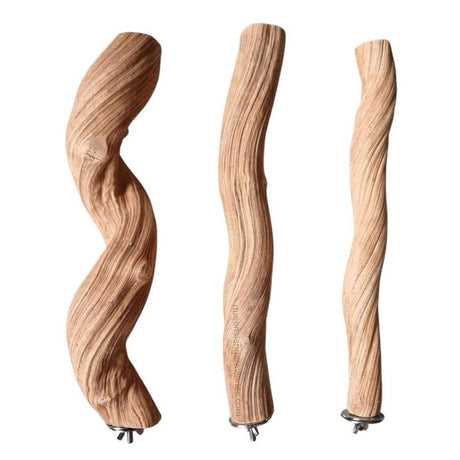
See our Play Gyms and Perches ranges for supervised out-of-cage space to complement a large enclosure.
What should I feed a macaw?
What should I feed a macaw?
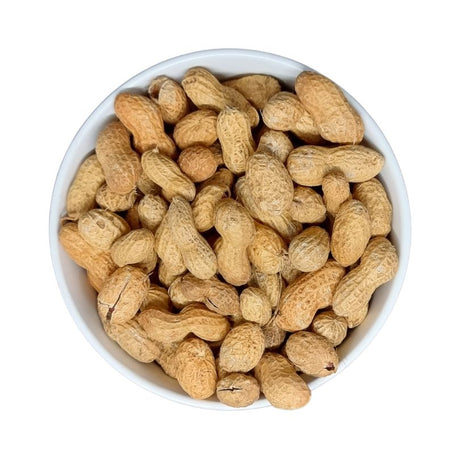
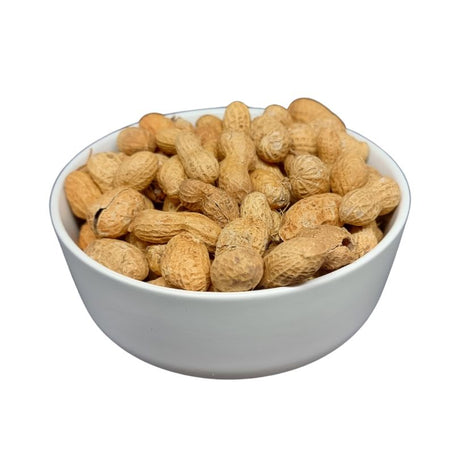
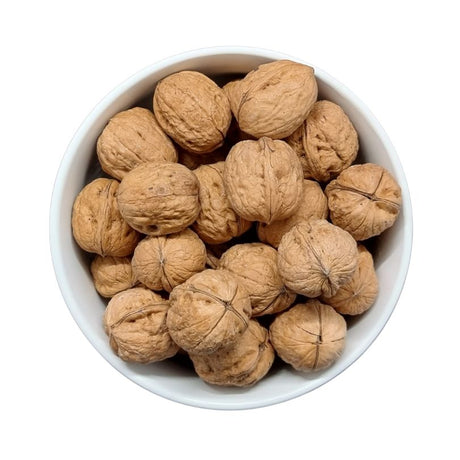
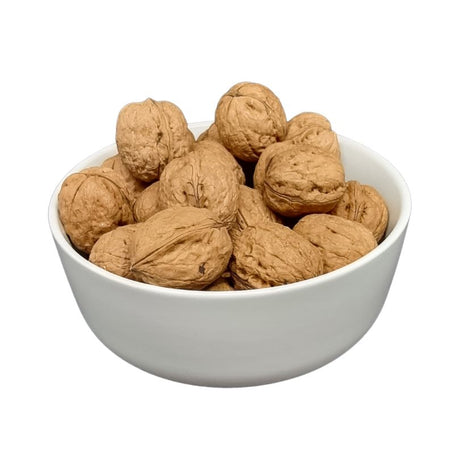
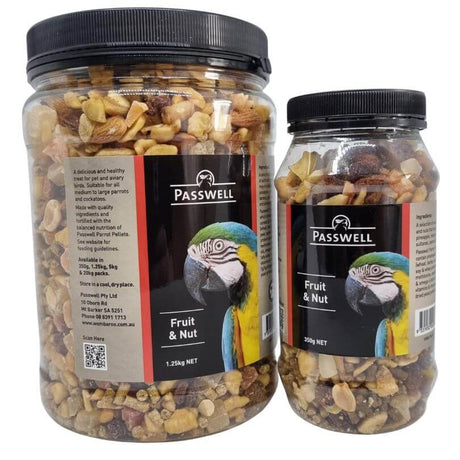
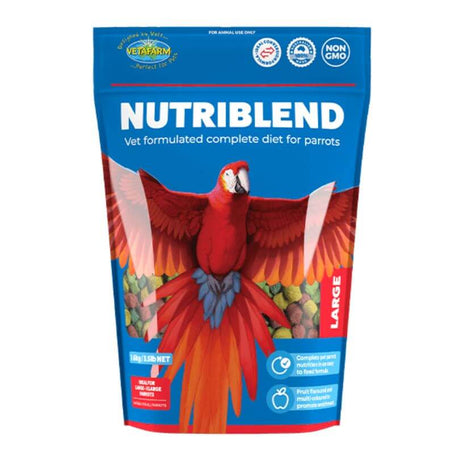
Roughly 70–75% high-quality pellets, 15–20% fresh vegetables, and the remainder fruit and nuts. Macaws tolerate more fat than smaller parrots, so nuts in the shell also double as great enrichment.
Vetafarm Macaw Nuts ($34.99–$132.99), a nut-flavoured large-format pellet, or Vetafarm South American Pellet ($15.99–$124.99).
Why does my macaw destroy everything (cage, toys, furniture)?
Why does my macaw destroy everything (cage, toys, furniture)?
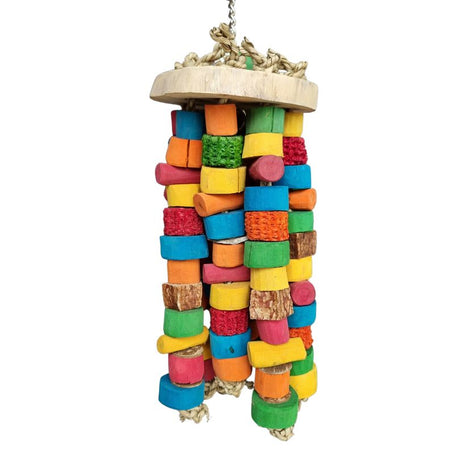
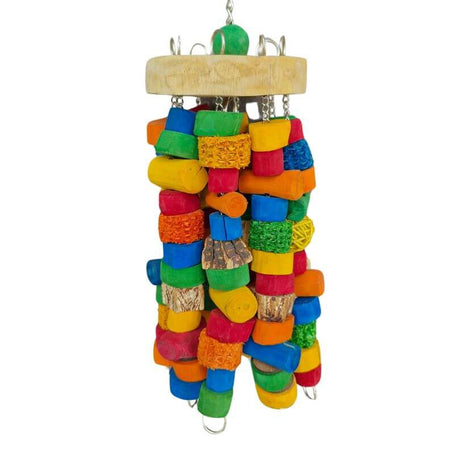
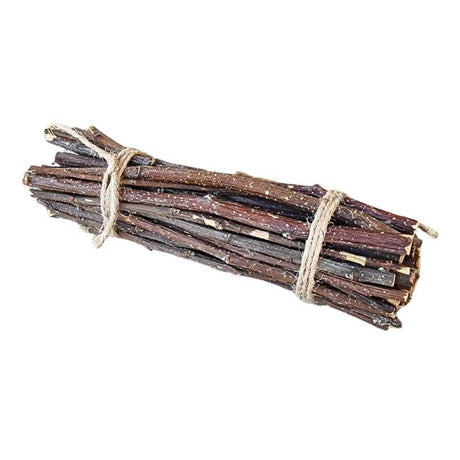
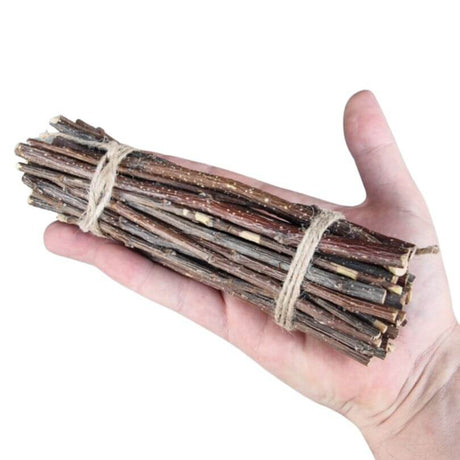
It's completely natural. Macaws have some of the strongest beaks of any parrot and need to chew constantly to stay mentally and physically healthy. The goal is to redirect that instinct onto appropriate materials.
Java Burger ($21.99), Java Abacus ($69.99) and Bagel Rings ($17.99) are all built for a macaw's chewing power.
How much daily interaction do macaws need?
How much daily interaction do macaws need?
3–4+ hours of supervised out-of-cage time daily, ideally including training sessions. Macaws are highly intelligent and need the mental engagement as much as the physical space.
How long do macaws live, and what's the commitment?
How long do macaws live, and what's the commitment?
50–80 years with proper care in many cases. It's genuinely a lifelong, potentially multi-generational commitment that's worth thinking through carefully before bringing one home.


