





 Sold out
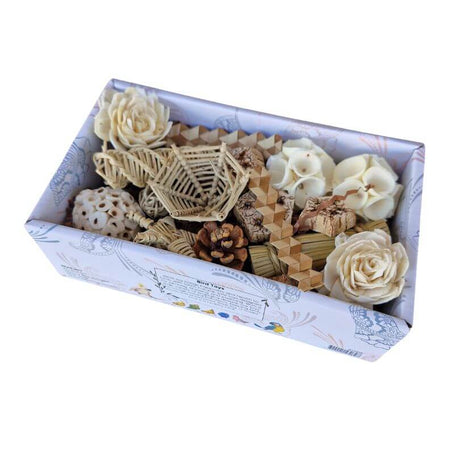


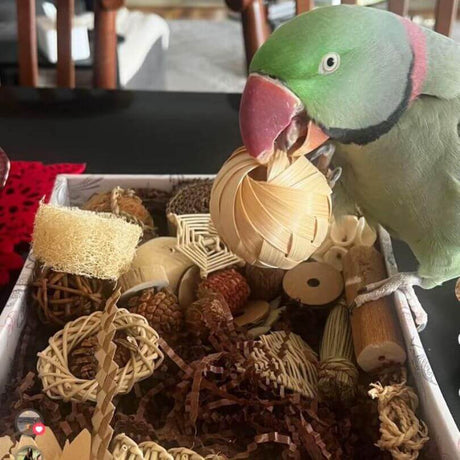
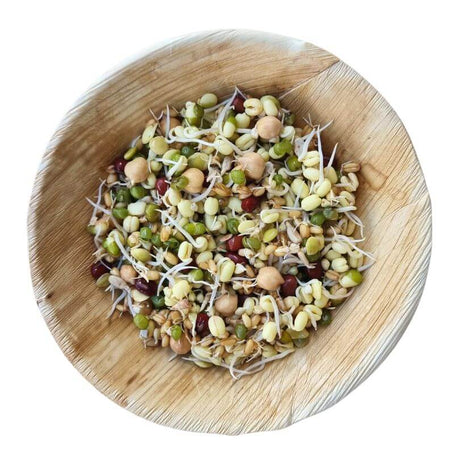
 ⭐ Customer favourite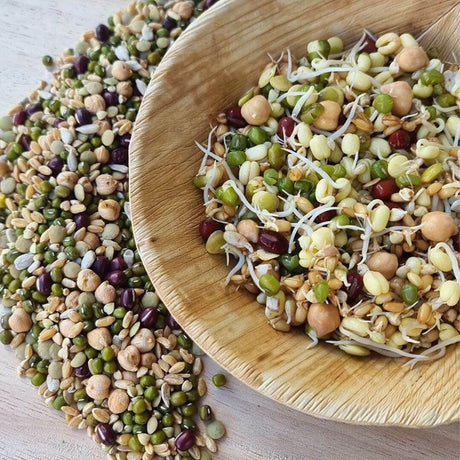







-
 Learn more
New Seed Blends
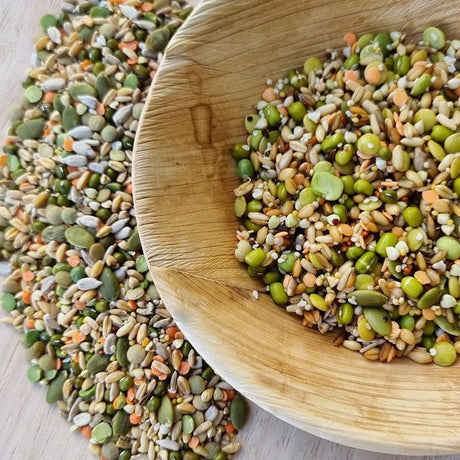
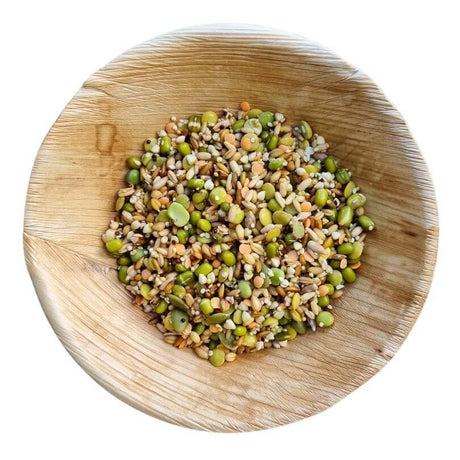
Low Sunflower with added pellets








 ⭐ Customer favourite






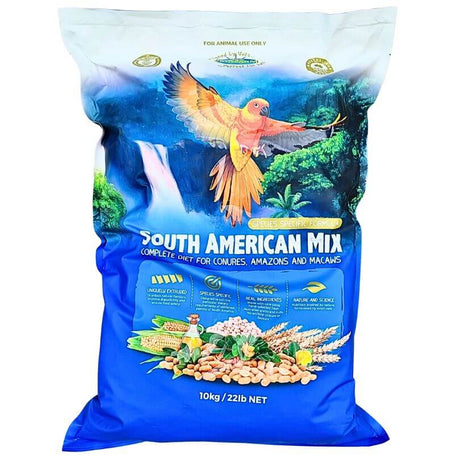
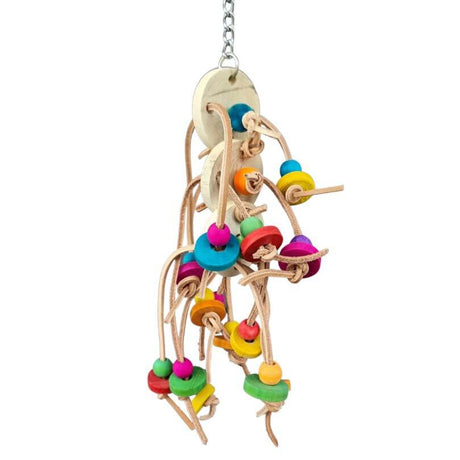
 Sold outSale


Frequently Asked Lorikeet Questions
What do lorikeets actually eat? Can I just feed a dry mix?
What do lorikeets actually eat? Can I just feed a dry mix?
Lorikeets and lories are nectar and pollen specialists, not seed eaters, and their gizzard isn't built to process seed. A wet nectar/pollen mix should be the backbone of the diet, with fresh fruit and vegetables alongside it.
Vetafarm Forest Fusion Lorikeet Blend ($16.99–$149.99), Wombaroo Lorikeet and Honeyeater Mix ($11.99–$38.99), or Passwell Complete Lorikeet Mix ($12.99–$84.99) all give a proper nectar-based foundation.
Why is lorikeet poop so messy and runny? Is that normal?
Why is lorikeet poop so messy and runny? Is that normal?
Yes, this is completely normal for a nectar-based diet and not a sign of illness on its own. Position the cage against a solid wall, since droppings can be projected some distance.
Can I make my own nectar with honey?
Can I make my own nectar with honey?
No. Honey can carry bacteria that's genuinely dangerous for lorikeets and doesn't supply the nutrients a proper lorikeet-specific mix does.
Vetafarm Blossom Nectar ($19.99) or Vetafarm Wild Earth Lorikeet Blend ($14.99–$149.99) are purpose-built alternatives, mixed fresh each feed.
How often do I need to clean nectar bowls?
How often do I need to clean nectar bowls?
Nectar ferments and grows bacteria quickly once mixed, so bowls should be cleaned daily and uneaten nectar removed within a couple of hours rather than left to sit.
What toys suit lorikeets?
What toys suit lorikeets?
Lorikeets love to grab and rattle toys vigorously, so avoid anything with loose strings or gaps that could catch a beak or toe.
Browse our Foraging Toys and Toys collections for lorikeet-safe options.


