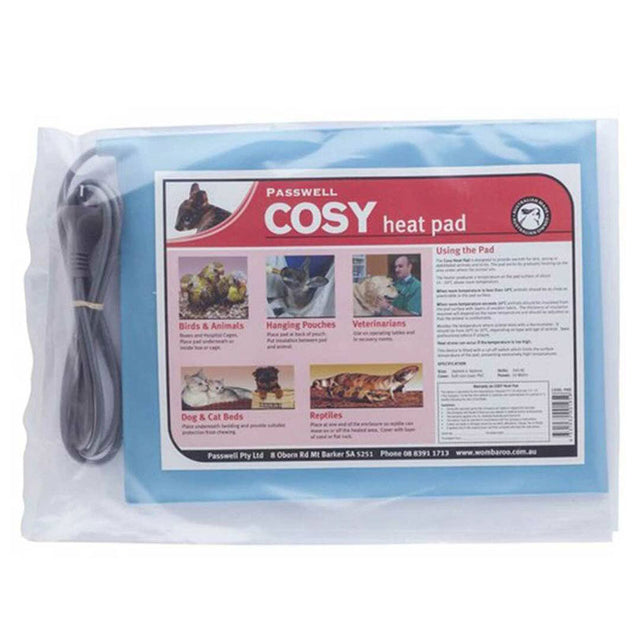
Cosy Heat Pad
Cosy Heat Pad is currently available via backorder only and is unavailable for in-store purchase. Purchasing this item may delay the dispatch of your entire order by up to 3 business days or longer during peak periods.
- Only 1 left
Choose the bird species you’re shopping for
Choose the bird species you’re shopping for
This product suits: Finch/Canary, Budgie, Lovebird, Parrotlet, Cockatiel, Conure, Quaker, Lorikeet, Rosella, Caique, Indian Ringneck, Alexandrine, Small Macaw, Eclectus, Cockatoo, African Grey, Amazon, Macaw
Delivery and In-store
Delivery and In-store
Dispatch
Most orders are dispatched within 48 hours, excluding weekends and public holidays. Read more.
Click and Collect
Most orders are ready for collection within 24 hours. Pick up from Archerfield, QLD. Read more.
Visit Us In Store
Open 7 days. 9:00am to 5:30pm weekdays and 9:00am to 3:00pm weekends. Closed on public holidays.
Just Landed



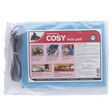
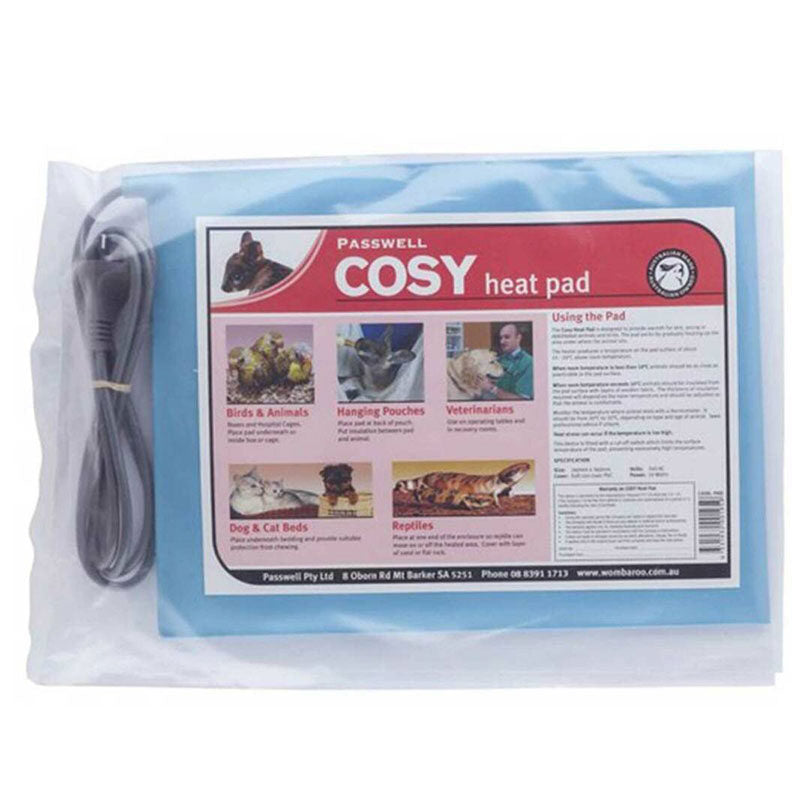
Cosy Heat Pad

Cosy Heat Pad is currently available via backorder only and is unavailable for in-store purchase. Purchasing this item may delay the dispatch of your entire order by up to 3 business days or longer during peak periods.
Description
Description
The Cosy Heat Pad provides steady, low-level warmth for sick, young, recovering or debilitated birds and other animals. Rather than becoming hot like a conventional heater, it gradually warms the insulated area beneath the animal while they are resting on or above it.
When switched on and left uncovered in the open air, the pad may not feel noticeably warm to your hand. This is normal. The warmth becomes more noticeable when the pad is insulated and an animal or weighted object is positioned above it.
Key Features
• Provides gradual, low-level warmth
• Designed to warm the occupied area rather than feel hot in open air
• Suitable for hospital cages, recovery boxes and animal bedding
• May be used for birds, small mammals, reptiles, dogs and cats
• Useful for young, unwell, recovering or debilitated animals
Suitable Uses
• Bird and small animal hospital cages or recovery boxes
• Veterinary operating tables and recovery areas
• Hanging pouches for orphaned marsupials
• Reptile enclosures as a ground-level heat source
• Dog and cat beds
How to Check That the Heat Pad Is Working
Place a folded towel, woollen material or similar insulation underneath the heat pad.
Cover the top of the pad with another layer of insulating material.
Place a heavy item, such as a book, on top. This helps replicate an animal resting over the pad.
Plug the heat pad in and switch it on. Leave it operating for approximately 15 minutes.
Remove the weighted item and check the section of the pad beneath it. This area should feel warm to the touch.
A thermometer can also be used to compare the pad’s surface temperature before and after testing. The manufacturer’s example increased from an ambient temperature of approximately 15.9°C to approximately 35.8°C after 15 minutes under insulated, weighted test conditions. Results may vary depending on the room temperature and testing setup.
Important Bird Safety Information
This heat pad is not chew-proof. It must never be placed inside a bird’s cage or anywhere the bird can reach the pad or electrical cord with its beak.
Position it externally and use it only with appropriate insulation, supervision and temperature monitoring.
Always provide the animal with enough space to move away from the heated area when required. Check the temperature regularly and discontinue use if the pad or cord becomes damaged.
Please note: This is a low-output heat pad and may not feel warm when tested uncovered in open air. Follow the testing instructions above before assuming the pad is not operating.
Specifications
Specifications
-
How to use
-
BinFB20
Reviews (0)
Reviews (0)
Safety
Safety
Toy Safety
- No bird toy is 100% risk-free. Toys should be inspected daily for damaged, broken or loose parts, and damaged products should be removed immediately. All products should be offered under supervision.
- We strongly recommend reading the full product description before use to make sure the product is suitable for the size and type of bird.
- We do not sell cotton or fabric rope or huts.
- Some products may contain jute, seagrass, sisal, tangle-free plastic rope, stainless steel chain or nickel-plated chain. If you notice your bird excessively chewing or swallowing pieces of any material, remove the product immediately.
Bird toys are not intended for children and should be kept out of their reach.
Allergens
If you have allergies, please read ingredient lists carefully before handling or using a product. While due care is taken, some food products may contain traces of ingredients or allergens not listed.
Medications
Medications should only be offered on the recommendation of your veterinarian or another qualified animal health professional and used according to the manufacturer's directions. All medications should be stored out of reach of children and other pets.
Queenslander Aviaries or its suppliers are not liable for any damage, injury or death caused to any animal or person.