














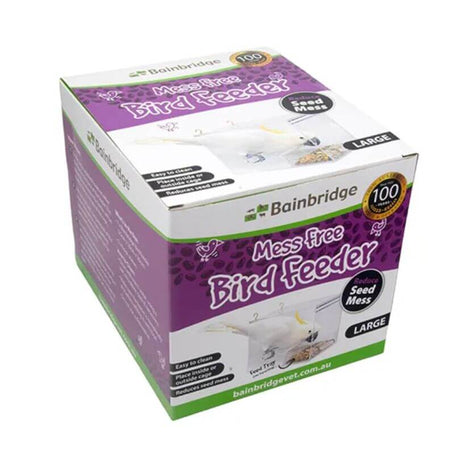


 New Xlarge Size


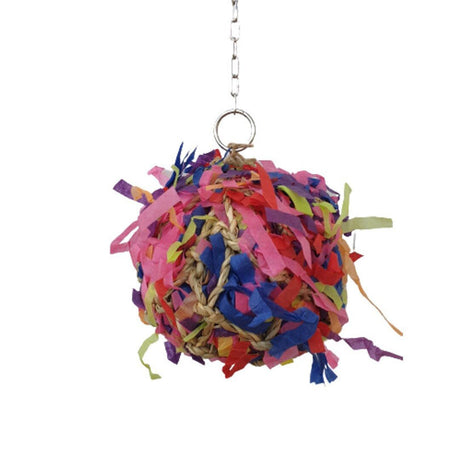
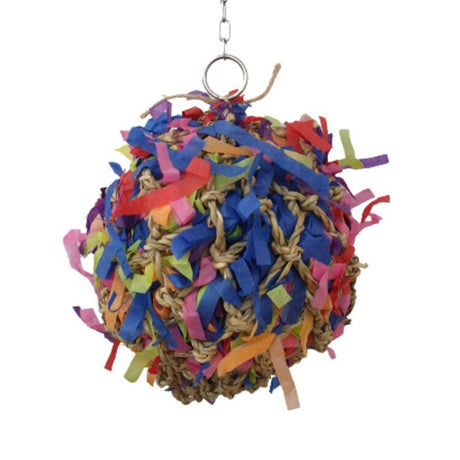


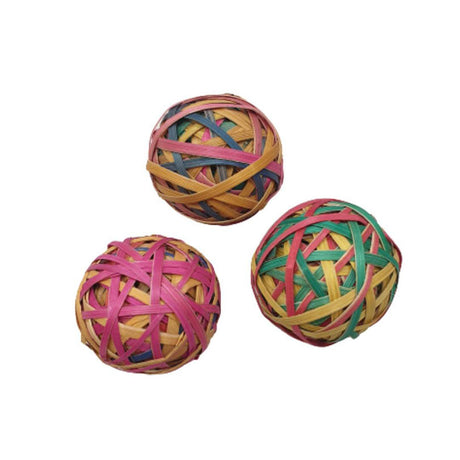
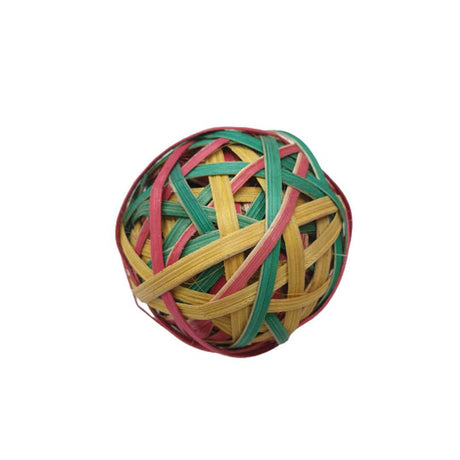
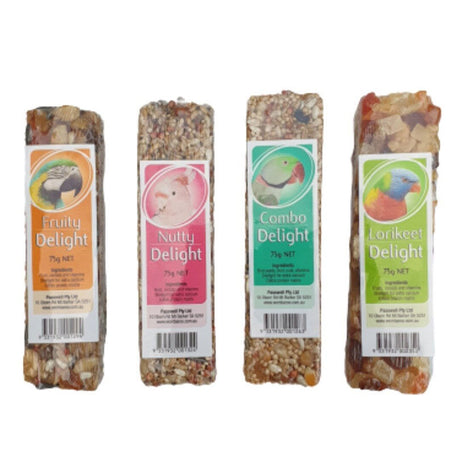
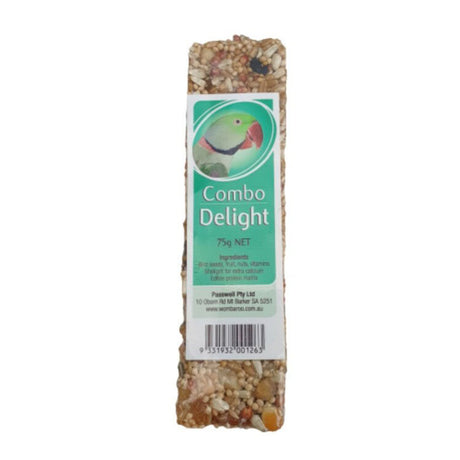
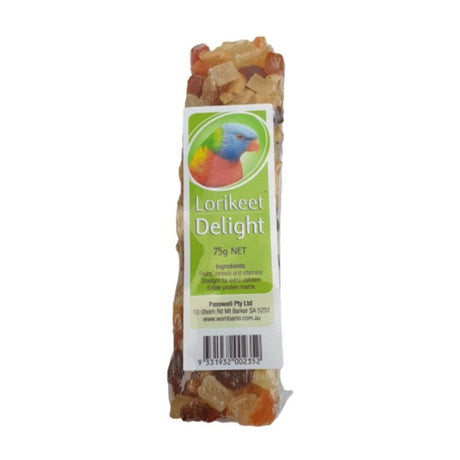
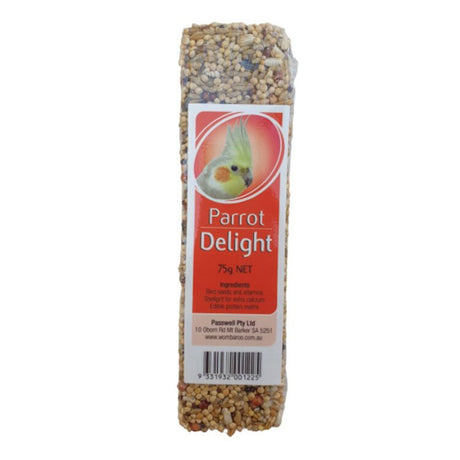
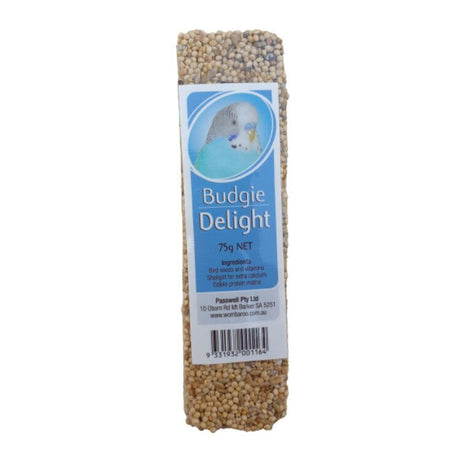
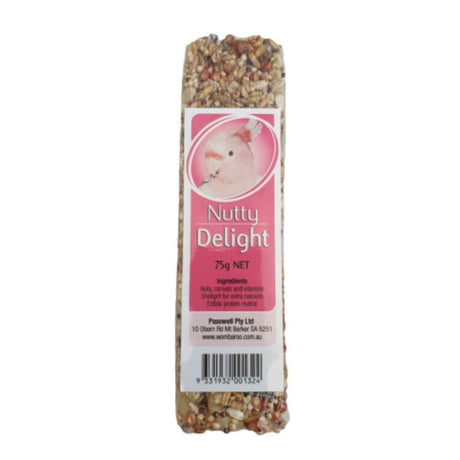


 Sold out







Frequently Asked African Grey Questions
Why is my African Grey plucking its feathers?
Why is my African Grey plucking its feathers?
Plucking has several possible causes in this species, so a vet check should always come first to rule out illness or a calcium/vitamin deficiency, which African Greys are particularly prone to. If it's behavioural, boredom and stress are the usual triggers, and daily mental stimulation is key to managing it.
What's the best diet for an African Grey, and do they really need extra calcium?
What's the best diet for an African Grey, and do they really need extra calcium?
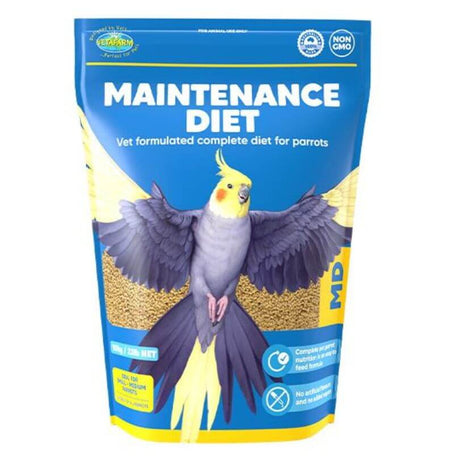
Yes. African Greys have a well known tendency toward calcium deficiency, so a pellet-based diet with fresh vegetables and a dedicated calcium source matters more for this species than most.
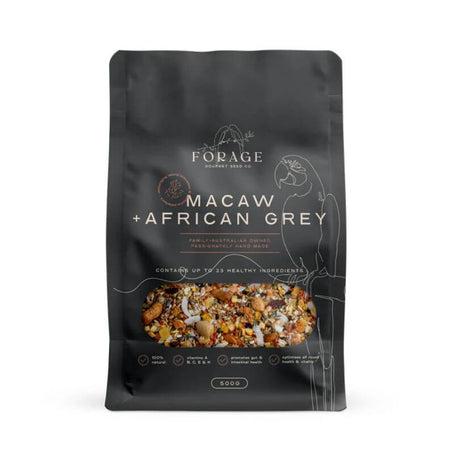
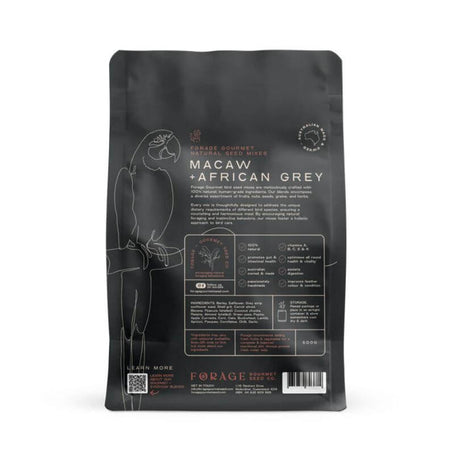
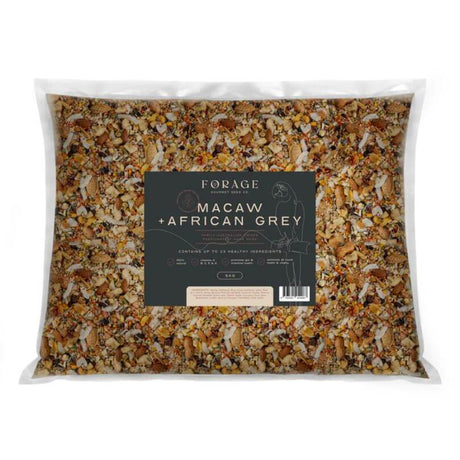
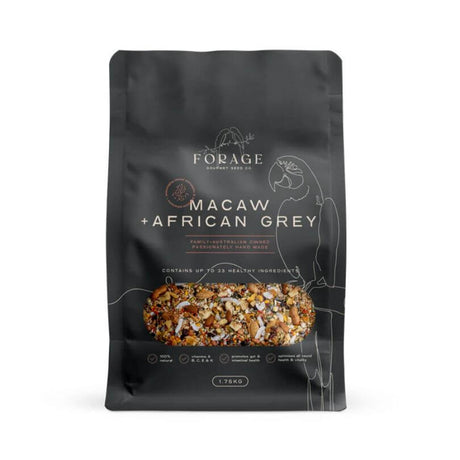
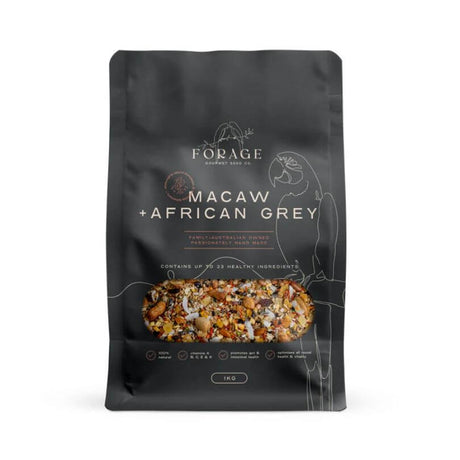
Feather Chef African Grey Blend ($15.99–$89.99) or Forage Gourmet Macaw, African Grey and Amazon Blend ($29.99–$109.99), alongside Avi Care Calcium Bells ($2.99) as an easy daily calcium source.
How much mental stimulation does an African Grey need?
How much mental stimulation does an African Grey need?
A lot. They're widely considered one of the most intelligent parrot species, and without daily puzzle-solving and foraging they can become anxious, withdrawn or destructive.
Beak Joy Peck and Play Forage Box ($16.99–$34.99) is a great way to give that problem-solving instinct somewhere to go.
Do African Greys really talk as well as people say?
Do African Greys really talk as well as people say?
Often, yes. They're renowned for the clearest speech and largest vocabularies of any parrot species, though it still takes consistent daily exposure and patience rather than happening on its own.
How long do African Greys live, and what's the commitment?
How long do African Greys live, and what's the commitment?
40–60 years with good care is typical. This is a genuine lifelong commitment, and their sensitivity to change means a stable, consistent home matters more for this species than most.


